
Views: 0 Author: Site Editor Publish Time: 2025-09-26 Origin: Site


Luxury jewelry showcases often use premium materials like marble, brass, and glass to create an elegant and timeless look. Marble surfaces bring natural beauty and distinctive veining patterns, adding sophistication. Brass or bronze accents offer warm metallic tones that complement gold and gemstone colors. Glass tops or panels keep the display light and transparent, allowing jewelry to shine without visual clutter. These materials together create a rich texture contrast that signals quality and craftsmanship.
Textured fabrics such as velvet and suede add softness and depth inside display cases or drawer linings. Velvet, with its plush feel and rich colors, enhances the luxurious vibe and cushions delicate pieces. Suede offers a matte, tactile surface that reduces glare and highlights jewelry details. Using these fabrics as backdrops or drawer liners helps jewelry stand out and protects it from scratches. Choose deep jewel tones like emerald green, royal blue, or burgundy for a classic luxury feel.
Small shops can evoke a high-end look without the high price tag by using smart alternatives. Marble-pattern quartz or cultured marble surfaces mimic natural stone affordably. Wood veneers or high-gloss lacquer finishes in rich tones add warmth and elegance. Metal accents can come from polished brass hardware or gold-colored paint rather than solid metals. Textured wall panels or chair cushions in velvet or suede-like fabrics provide softness without heavy investment. Even a single statement piece—such as a marble-look countertop or brass-framed display case—can anchor the space and create a luxurious impression.
A minimalist approach works well for luxury jewelry showcases. It keeps the space uncluttered, letting each piece shine. Instead of crowding many items, focus on a few statement pieces. These standout items draw customer attention immediately. Use clean lines and simple display stands to avoid distractions. Minimalism also conveys elegance and sophistication, aligning with high-end branding. For example, a single diamond necklace on a sleek black velvet stand can create a powerful visual impact.
Breaking away from traditional symmetrical arrangements adds modern flair. Geometric shapes like triangles, hexagons, or circles bring visual interest. Asymmetrical layouts guide the eye naturally across the display, creating a dynamic flow. This method works by grouping jewelry in clusters of varying sizes and heights, avoiding a rigid grid. It encourages customers to explore more. For instance, placing earrings on a triangular stand beside a circular tray for rings can create balance through contrast. This style suits brands wanting a contemporary, artistic vibe.
Custom showcases help express your brand’s personality uniquely. Tailor materials, colors, and shapes to reflect your store’s story. For example, a brand inspired by nature might use wood and organic curves. Another focusing on modern luxury might choose polished metal and sharp angles. Customization extends to lighting placement, drawer linings, and even hardware finishes. Collaborating with a jewelry store design company can bring these ideas to life, ensuring consistency across your store. Custom designs make your showcase memorable and instantly recognizable.
Layered lighting creates depth and highlights jewelry’s brilliance. Start with ambient lighting to provide overall illumination. This soft, diffused light sets a welcoming tone. Next, add task lighting focused on display cases. Use adjustable spotlights or LED strips to shine directly on jewelry pieces, enhancing sparkle and detail. Finally, incorporate accent lighting as decorative elements—chandeliers, pendant lights, or wall sconces—that add luxury flair and guide customer attention. Combining these layers ensures every gem gleams without harsh shadows or glare.
LED lights are ideal for luxury showcases. They offer bright, energy-efficient illumination and long lifespan. Choose LEDs with a high Color Rendering Index (CRI) of 90 or above to show jewelry colors accurately. For diamonds and clear stones, cooler white lights (4000K–5000K) enhance sparkle. For gold and colored gems, warmer tones (2700K–3000K) create a rich, inviting glow. Use dimmable LEDs to adjust brightness throughout the day or for special events. Position lights at shallow angles (around 10°) to avoid reflections on glass and shadows on jewelry.
Natural light adds a beautiful, full-spectrum glow that enhances gemstones’ true colors. If your store has windows or skylights, use sheer curtains or diffusers to soften direct sunlight and prevent harsh shadows. Combine natural light with ambient ceiling lamps for balanced illumination. Avoid placing jewelry in direct sunlight to prevent fading or heat damage. Ambient light should be warm and inviting, creating a cozy atmosphere without overpowering the display. This blend of natural and artificial light makes the showcase feel open and luxurious.
Luxury jewelry showcases increasingly blend traditional elegance with cutting-edge technology. Digital elements like touchscreens and augmented reality (AR) offer customers interactive experiences. They can explore a piece’s history, craftsmanship, and materials right at the display. This tech integration not only educates but also captivates visitors, making the shopping journey memorable. Some stores use virtual try-on tools, allowing customers to see how rings or necklaces look on them without physically trying them on. This enhances convenience and hygiene, especially in busy retail environments. For smaller shops, tablets or QR codes linked to product videos or detailed descriptions are affordable ways to add digital layers to displays.
Current luxury showcase designs favor clean lines and minimalist layouts to highlight jewelry’s beauty without distractions. Simple, uncluttered cases with sleek metal or glass frames create a refined backdrop. Minimalism emphasizes quality over quantity, encouraging focus on a few carefully curated pieces. This approach also aligns with modern luxury branding that values understated elegance. Neutral color palettes—black, white, soft grays—often dominate, letting gemstones and metals pop. Minimalist displays use negative space smartly, avoiding overcrowding and giving each item room to breathe. This style suits brands aiming for timeless sophistication and a contemporary feel.
Flagship stores of brands like Cartier or Tiffany set high standards with spacious layouts, premium materials, and elaborate lighting. Small shops can adapt these concepts without replicating the scale or cost. For example:
● Create zones: Divide your space into sections by jewelry type or collection, using different backdrops or lighting tones to distinguish each zone.
● Feature a centerpiece: Dedicate a prominent case near the entrance or center for your most valuable or signature piece, similar to flagship hero displays.
● Use quality materials selectively: Incorporate one or two premium textures, like a marble-look countertop or brass accents, paired with simpler finishes.
● Layer lighting: Combine ambient overhead lights with focused LED spotlights on cases and a decorative pendant or chandelier as a focal point.
● Maintain openness: Avoid clutter by spacing cases and using negative space, making the shop feel more inviting and luxurious.
By thoughtfully scaling flagship ideas, small jewelers can create an upscale atmosphere that feels exclusive and intentional.
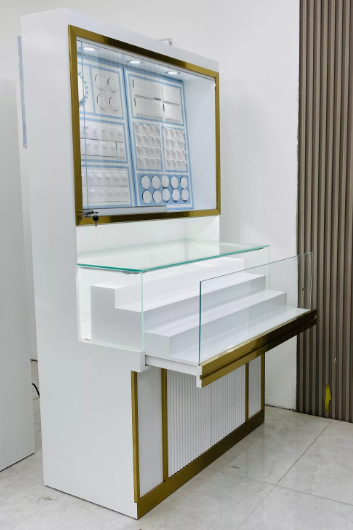
Choosing between wall-mounted and freestanding display cases depends largely on your store’s size and flow. Wall-mounted cases save floor space, ideal for smaller shops or narrow aisles. They allow customers to view pieces at eye level while keeping the center open for easy movement. These cases work well for showcasing collections in a linear, tidy fashion.
Freestanding cases offer a more immersive experience. Customers can walk around them, seeing jewelry from multiple angles. Use these for special collections or signature pieces that deserve attention from every side. They create natural focal points and encourage exploration. For larger stores, freestanding cases help break up space and add dimension.
Tabletop displays add versatility and elegance. A mirrored base beneath jewelry reflects light, enhancing sparkle and depth. This effect works wonders for gemstones and precious metals, creating an illusion of richness and luxury. Tabletop cases are perfect for seasonal or limited-time collections, as you can easily rearrange or relocate them.
Mirrored bases also help brighten darker corners or smaller spaces. Pair them with soft velvet or suede padding to cushion delicate pieces and reduce glare. This combination highlights jewelry without overwhelming it. Tabletop displays complement both wall-mounted and freestanding cases, providing layered presentation options.
Organizing your store into zones helps customers navigate and discover jewelry effortlessly. Divide your space by category—rings, necklaces, bracelets—or by collection themes. Use different backdrop colors, materials, or lighting tones to distinguish each zone visually. This approach mimics flagship stores’ strategies, making your shop feel curated and intentional.
Within these zones, create focal points to draw attention to standout pieces. Position a signature item in a prominent case near the entrance or center. Use spotlighting and premium materials like marble or brass accents to elevate these displays. The focal point acts as a visual anchor, inviting customers to engage deeper.
Furniture placement can also guide flow. An L-shaped counter or central island encourages natural movement through zones, maximizing exposure. Consider intimate seating or consultation areas near high-value displays for personalized service. Even small shops can create privacy niches with curtains or frosted glass panels, adding exclusivity.
Tip: Use a mix of wall-mounted and freestanding cases to optimize space and customer interaction, and incorporate mirrored tabletop displays to enhance jewelry brilliance while creating clear zones and focal points for effortless navigation.
Keeping your luxury jewelry showcase spotless is essential. Dust and fingerprints can dull the shine of your high-end pieces and materials. Use soft, non-abrasive cloths to clean glass surfaces gently. For metals like brass or bronze, apply appropriate polish sparingly to maintain their luster without damaging finishes. Velvet or suede-lined areas require careful vacuuming or brushing to avoid crushing the fabric. Schedule daily wipe-downs for high-traffic areas and weekly deep cleans for the entire display. This routine preserves the showcase’s elegance and keeps jewelry looking its best.
Lighting plays a critical role in making jewelry sparkle. Regularly inspect your LED lights, spotlights, and ambient fixtures to ensure all bulbs work correctly. Replace any burnt-out or flickering bulbs immediately to maintain uniform brightness. Check the angle of task lights, adjusting them to avoid unwanted shadows or reflections on glass surfaces. Dimmers and color temperatures should be tested periodically to keep the lighting balanced and flattering. Consistent lighting upkeep guarantees your showcase always highlights jewelry’s brilliance and color accuracy.
Rotating displayed jewelry keeps your showcase dynamic and interesting. Change pieces regularly to feature new collections, seasonal items, or bestsellers. This prevents the display from becoming stale and encourages repeat visits. Rotations also allow you to spotlight different styles or price ranges, catering to diverse customer preferences. When rotating, clean items thoroughly before placing them back on display. Consider using rotation schedules or digital inventory systems to track which pieces have been showcased and when. This strategy sustains customer engagement and maximizes the impact of your luxury jewelry showcase.
Working with jewelry store design companies brings expertise that transforms your vision into reality. These specialists understand luxury retail trends and know how to blend materials, lighting, and layout for maximum impact. They help avoid costly mistakes by recommending durable, high-quality finishes that suit your brand and budget. Experts also streamline the process, managing timelines and vendor coordination so you can focus on your business. Their experience ensures your showcase not only looks stunning but functions well for security and customer interaction.
Design companies stay ahead of industry innovations, offering access to cutting-edge materials and fabrication methods. They can source sustainable stones, advanced glass treatments, or custom metal finishes that elevate your showcase beyond standard offerings. Techniques like integrated LED lighting, digital display integration, and modular case designs allow flexibility and enhanced visual storytelling. For example, some firms use 3D printing for bespoke display elements or incorporate smart lighting systems that adjust automatically for optimal jewelry presentation. Partnering with these companies means your store benefits from the latest luxury display technology.
A key advantage of working with design professionals is their ability to align the showcase with your brand identity. They translate your brand story, values, and target audience into visual elements—materials, colors, shapes, and lighting—that reinforce your message. For instance, a heritage brand might favor classic wood and brass, while a modern, edgy label could use sleek glass and geometric forms. Designers also consider customer experience, ensuring displays invite exploration and highlight your signature pieces. This cohesion strengthens brand recognition and creates a memorable shopping environment.
Designing a high-end jewelry showcase involves selecting premium materials like marble and brass, incorporating minimalist design, and using layered lighting techniques. These elements enhance the luxury feel and highlight jewelry brilliance. A well-designed showcase significantly impacts brand perception, creating an upscale atmosphere that attracts customers. Jinxi Hongzhan Furniture Co., Ltd. offers expert services and products, ensuring your showcase aligns with your brand identity, providing elegance and functionality. Their innovative solutions elevate your jewelry displays, enhancing customer experience and boosting sales.
A: A luxury high-end jewelry showcase often features premium materials like marble, brass, and glass for elegance and sophistication.
A: Small shops can use cost-effective alternatives like marble-pattern quartz, wood veneers, and polished brass hardware to mimic a luxury high-end jewelry showcase.
A: Proper lighting in a luxury high-end jewelry showcase highlights jewelry brilliance, enhances colors, and creates a welcoming atmosphere.


