
Views: 0 Author: Site Editor Publish Time: 2026-03-04 Origin: Site


Choosing the right display cabinet for your bakery is essential for both the presentation and preservation of your baked goods. The two main types of bakery display cabinets are dry and refrigerated, each offering distinct benefits depending on the products you're displaying. This article will break down the differences between dry and refrigerated bakery display cabinets, helping you make an informed decision for your business.
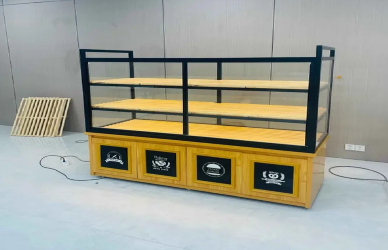
Dry bakery display cabinets are designed to showcase baked goods that do not require refrigeration or heating. These cabinets are typically used for products such as bread, cookies, pastries, and cakes that are sold at room temperature. They are equipped with glass panels to provide clear visibility while protecting the products from dust, dirt, or contamination. Dry display cabinets also usually include lighting to highlight the baked goods, making them more appealing to customers.
Dry bakery display cabinets are best suited for items that do not spoil quickly and do not require temperature control. Below is a list of ideal items for dry display cabinets:
Product Type | Examples | Ideal for Dry Display Cabinet? |
Bread | Loaves, baguettes, rolls | Yes |
Cookies | Biscuits, crackers, biscotti | Yes |
Pastries | Croissants, danishes, puff pastries | Yes |
Cakes | Cakes that don’t require refrigeration | Yes |
Muffins | Regular or non-perishable varieties | Yes |
Dry cabinets maintain a consistent temperature that’s safe for these types of products, and they are a cost-effective solution for bakeries that focus on such goods.
Refrigerated bakery display cabinets are equipped with cooling systems to maintain low temperatures, ensuring that perishable goods stay fresh for extended periods. These cabinets typically have built-in refrigeration systems that prevent the growth of bacteria and mold, which can spoil products like cream cakes, sandwiches, and custards. They are designed with tempered glass for visibility and come with integrated lighting to improve the product’s presentation.
Refrigerated cabinets are essential for items that are sensitive to temperature changes. These products require a stable, cooler environment to maintain their taste, texture, and overall quality. Below is a list of ideal products for refrigerated display cabinets:
Product Type | Examples | Ideal for Refrigerated Display Cabinet? |
Cakes | Cream cakes, cakes with fillings | Yes |
Pastries | Eclairs, cream puffs, filled doughnuts | Yes |
Sandwiches | Fresh sandwiches, wraps, deli items | Yes |
Pies | Cream pies, fruit pies, custard pies | Yes |
Chocolate | Chocolate truffles, mousse-filled cakes | Yes |
Refrigerated cabinets preserve the freshness of perishable bakery items, ensuring they stay safe for consumption throughout the day.
The main difference between dry and refrigerated cabinets is the temperature control. Dry cabinets operate at ambient room temperature, which is ideal for non-perishable baked goods. On the other hand, refrigerated cabinets are equipped with a cooling system that maintains a temperature range of 35-45°F (1.6-7.2°C), ideal for preserving perishable products. Below is a comparison of the two types:
Feature | Dry Bakery Display Cabinet | Refrigerated Bakery Display Cabinet |
Temperature Range | Ambient room temperature | 35-45°F (1.6-7.2°C) |
Ideal for | Non-perishable items | Perishable items |
Cost | Lower operating costs | Higher operating costs |
Energy Consumption | Low | Higher |
Freshness | No effect on freshness | Preserves freshness |
Choosing between the two depends on the types of products you sell and your bakery’s specific needs. For example, if your bakery specializes in items that need refrigeration, a refrigerated display cabinet is essential.
Dry cabinets are perfect for bakeries that mainly sell bread, cookies, and other non-perishable items. These products benefit from clear visibility and are best displayed at room temperature. On the other hand, refrigerated cabinets are necessary for bakeries that offer cakes with fillings, fresh pastries, or sandwiches, as these items require temperature control to maintain their quality and safety.
Dry bakery display cabinets are more affordable to purchase and operate compared to refrigerated cabinets. They consume less energy because they do not require a refrigeration system. This makes them a more cost-effective option, especially for smaller bakeries or businesses that do not sell perishable goods. If your bakery’s focus is on bread, cookies, or other ambient-temperature products, a dry display cabinet is an excellent investment.
Dry display cabinets are best for showcasing items like bread, cakes that don’t require refrigeration, and cookies. These cabinets allow bakery owners to present their products beautifully while maintaining a consistent, safe environment for items that don’t spoil quickly. The open-air design of dry display cabinets also makes it easier for customers to interact with and select their preferred items.
Refrigerated bakery display cabinets are essential for bakeries that offer perishable goods such as cream-filled cakes, fruit tarts, pastries with custard fillings, or sandwiches. These cabinets help extend the shelf life of these items by maintaining an optimal temperature, typically between 35-45°F (1.6-7.2°C), which slows down bacterial growth and preserves the texture, flavor, and overall quality of the food. Without proper refrigeration, these products can spoil quickly, affecting both their taste and safety. By using a refrigerated display cabinet, you ensure that customers always enjoy fresh and safe-to-eat products, which enhances their satisfaction and boosts your bakery's reputation for quality.
Refrigerated cabinets not only keep your products fresh but also improve the visual appeal of cold items. The clear glass design allows for excellent visibility, making it easy for customers to see your products from every angle. In addition, the internal lighting within refrigerated cabinets highlights the freshness and vibrant colors of your products, drawing attention and enticing customers. A well-maintained refrigerated cabinet with neatly arranged items can create an inviting atmosphere, which encourages impulse purchases. Items such as cream cakes or chocolate tarts that are kept in a refrigerated display may also appear more luxurious and appealing, attracting customers to try them. This enhanced presentation can increase overall sales by motivating customers to choose items they might not have otherwise considered.
When choosing a bakery display cabinet, it’s crucial to assess the types of products you offer. If your bakery specializes in items that require refrigeration, such as cakes with cream filling, custard pies, or sandwiches, you’ll need a refrigerated display cabinet to maintain freshness and prevent spoilage. These cabinets are designed to keep perishable items at the optimal temperature. On the other hand, if you primarily sell non-perishable goods like bread, pastries, and cookies that don’t require cooling, a dry display cabinet will suffice. Dry cabinets maintain ambient temperature, which is ideal for showcasing products that don't spoil quickly. Understanding your product line’s specific needs, whether it requires refrigeration or just a well-lit display, will guide you in making the right choice.
Your bakery’s layout and available space also play a crucial role in selecting the right display cabinet. Dry cabinets tend to be more compact and less bulky, making them ideal for smaller spaces or areas where you want to maximize customer flow. Since dry cabinets don’t require refrigeration units, they also tend to be lighter and more flexible for positioning. Refrigerated cabinets, on the other hand, are larger and require more ventilation, so it’s important to ensure there’s enough space for proper airflow. Additionally, refrigerated units often need to be placed near an electrical outlet with a higher voltage to accommodate the cooling system. When planning your store's design, be mindful of the space constraints and ensure that your display cabinet complements the overall layout for optimal visibility and ease of customer access.
Refrigerated display cabinets are ideal for cakes that contain cream or other perishable fillings. Dry cabinets are better for cakes that are not filled or do not require temperature control.
To maintain the temperature in a refrigerated display cabinet, ensure that the unit is properly maintained, including cleaning condenser coils regularly and checking for any leaks. You can also use temperature monitoring devices to ensure it stays within the desired range.
Yes, refrigerated display cabinets consume more energy than dry cabinets due to the cooling system. However, they are necessary for maintaining the freshness and safety of perishable goods, which can justify the higher operating cost.
Yes, a dry display cabinet is ideal for bread and pastries that do not require refrigeration. It helps keep these products fresh at room temperature while providing excellent visibility and easy access for customers.
In conclusion, selecting the right bakery display cabinet is crucial for both the quality and presentation of your products. Dry display cabinets are an ideal choice for non-perishable items like bread, cookies, and pastries, offering a cost-effective and energy-efficient solution, especially for smaller bakeries. They enhance the visibility and accessibility of your products, making it easier for customers to interact and select their preferred items. In contrast, refrigerated display cabinets are essential for perishable goods such as cream-filled cakes, fruit tarts, and sandwiches, ensuring that your products remain fresh, safe, and visually appealing to customers. Both types of cabinets offer unique advantages depending on your bakery's needs. By carefully considering your product line, store layout, and budget, you can make the right choice that enhances your bakery’s efficiency, preserves the quality of your goods, and ultimately boosts sales.


