
Views: 0 Author: Site Editor Publish Time: 2025-10-31 Origin: Site


Want your products to shine? Good lighting can transform any display cabinet or jewelry showcase display with LED. This guide shows how to install LEDs the right way. You will learn simple steps to boost brightness and create a clean, professional look.
LED lighting for display cabinets comes in several formats, each offering unique benefits depending on the arrangement of shelves, cabinet material, and display items. LED strip lights are the most common because they provide uniform illumination, flexible installation, and minimal space occupancy. LED puck lights are ideal for spotlighting specific items, while LED bar lights produce clean linear illumination along shelves. Choosing the correct type depends on whether you need accent lighting, overall brightness, or focused beams.
Color temperature plays a crucial role in how products appear inside a display cabinet or jewelry showcase. Warm white (2700–3000K) enhances wood tones and vintage items, while cool white (5000–6500K) makes diamonds, silver, and glass appear crisp and brilliant. For jewelry showcases, daylight LEDs are often preferred because they highlight clarity and sparkle. Choosing the right color temperature provides a balanced, professional look that increases visual appeal.
Jewelry displays require controlled brightness to prevent glare while still making gemstones appear vibrant. Lumens between 300–600 per meter are typically sufficient for smaller cases, while larger cabinets may require 800 lumens or more. Too much brightness can wash out the details of products, whereas insufficient lighting reduces attractiveness. Achieving the right balance ensures every piece looks elegant and sharp.
LED lighting offers remarkable benefits over halogen or fluorescent alternatives. LEDs generate very little heat, which protects delicate items and prevents discomfort for customers viewing the display. They consume minimal energy, last significantly longer, and deliver consistent lighting without flickering. Because LEDs are compact, they are easier to integrate into tight cabinet spaces, making them the preferred choice for modern retail and home installations.
Before starting installation, precise measurement of your display cabinet ensures that the LED strip length matches the layout. Measure the interior width, height, and depth of shelves, taking note of corners or obstructions that may affect placement. Accurate measurements help avoid gaps or overlaps, ensuring seamless lighting that appears professional.
Correct placement determines how well your cabinet illuminates items. Mount LEDs along the top, underside of shelves, or vertical sides depending on where shadows naturally fall. For jewelry showcases, side-mounted LEDs often provide the best sparkle effect because they reduce shadows on gemstones. Planning placement ahead of time ensures balanced illumination across all display levels.
LED strips operate on low voltage—typically 12V or 24V—requiring a compatible power supply. An undersized power adapter may lead to dimming, flickering, or overheating. Calculate the total wattage required by multiplying the wattage per meter by the total length of LED strip used. Always choose a transformer with at least 20% higher capacity for long-term stability and safety.
Professional-looking installations hide all wires from customer view. Use aluminum channels, cable covers, or concealed routing through cabinet panels to maintain a clean presentation. Adhesive clips or corner connectors help manage wires behind shelves, while transparent diffusers conceal the strip itself for a modern, integrated appearance.
Before installing LED lights, ensure the power supply is switched off and verify that the cabinet can support adhesive strips or mounting hardware. Avoid placing LED strips where they may come into direct contact with metal edges unless insulated, which prevents short-circuiting. Maintaining proper ventilation for transformers and ensuring all connections are secure greatly reduces long-term electrical risks.
The typical LED installation requires a few essential tools: measuring tape, scissors (for cuttable LED strips), adhesive backing, mounting clips, connectors, and a screwdriver. Optional accessories include aluminum channels for better heat dissipation and light diffusion. Having all materials prepared before starting guarantees a smooth and efficient installation process.
Begin by cleaning the cabinet surface where the LED strips will be mounted. Dust, debris, and moisture can weaken adhesive bonds. Make sure shelves are dry and grease-free, especially in older wooden cabinets. A properly prepared surface ensures the LED strips remain firmly attached for years without peeling.
Measure the required LED strip length and cut only at designated cut marks to maintain functionality. Cutting at improper points may damage internal circuits. If separate shelves need lighting, measure each section individually. Proper cutting ensures you do not waste materials and that each strip fits perfectly into the designated location.
Connectors or soldering can be used to attach LED strips to the power supply. Ensure polarity alignment—positive to positive and negative to negative—to avoid malfunction. If using multiple strips, decide whether to wire them in series or parallel. Parallel connections often maintain consistent brightness across longer runs.
Before permanently attaching the strips, test them by briefly powering them on. Testing prevents the frustration of discovering wiring errors after mounting. Check for consistent brightness, color accuracy, and proper functioning of connectors. Addressing issues now saves significant effort later.
Once tested, peel off the adhesive backing and carefully mount the LED strips in the planned position. Press evenly along the length for secure adhesion. For better durability, especially on aluminum or glass surfaces, use mounting clips or channels. Well-mounted LED strips maintain a straight, clean visual line that enhances cabinet aesthetics.
Organize wires using clips, channels, or concealed paths within the cabinet structure. Tidy wire management prevents clutter and ensures the display maintains a premium look. For jewelry showcases, hiding wires is essential for professionalism and customer perception of product quality.
After mounting the LEDs and securing wires, turn on the power to check for uniform illumination. Adjust strip positions if shadows or hotspots appear. Small repositioning can greatly improve lighting quality. This final check ensures the cabinet lighting achieves the desired brightness and atmosphere.
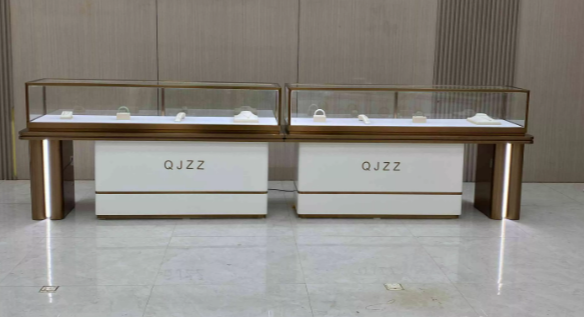
Achieving even lighting requires selecting LED strips with appropriate density, consistent spacing, and good diffusion quality. Higher-density LEDs help eliminate dark spots and produce a continuous, seamless glow across shelves and products. Positioning the strip close to the front edge of each shelf also reduces shadowing and uneven illumination, creating a balanced and professional look for all displayed items.
Jewelry pieces rely heavily on precise lighting angles to showcase brilliance, reflections, and stone cuts. Slightly angling LEDs toward the displayed items enhances sparkle and highlights facets more effectively. By adjusting the mounting angle and distance, you can avoid dull lighting or over-reflection, ensuring metals, gemstones, and crystals appear vivid and visually striking from multiple viewing positions.
Using aluminum profiles paired with diffusers helps soften light output, preventing harsh glare that can distract from the products or distort color accuracy. Maintaining proper spacing between LED strips and display surfaces also reduces hotspots, ensuring smooth and consistent brightness. These adjustments contribute to a high-end lighting effect often seen in luxury retail, enhancing the overall customer experience.
Accent lighting adds visual hierarchy by highlighting specific items or important sections of the display. Techniques such as backlighting, spotlighting, or vertical edge lighting create depth and contrast that draw viewers’ attention. When layered with general lighting, these accent effects make the display more dynamic and visually impactful, elevating the cabinet’s aesthetic and enhancing product prominence.
Incorporating dimmers or smart controllers allows you to fine-tune brightness based on ambient conditions, product types, or time of day. Smart LED systems can offer features like adjustable color temperature, programmable schedules, or remote control via apps. These advanced controls give you greater flexibility and help maintain consistent lighting quality, making your display cabinet appear more professional and modern.
Frequent installation issues such as flickering, inconsistent brightness, or sudden dimming often stem from loose connectors, mismatched voltage, or inadequate power supplies. Periodically inspect each wiring joint and verify that the transformer meets the total wattage requirements. Addressing these errors early ensures long-term stability and preserves the overall visual performance of your LED display lighting.
Flickering typically occurs due to poor electrical contact, incompatible dimmer switches, or overloaded drivers. Ensure all connectors are firmly attached, replace any worn adapters, and use quality components designed for continuous operation. High-grade LED strips and reliable power supplies significantly reduce flicker risks, providing smooth and stable illumination ideal for jewelry or high-value displays.
LED strips require minimal upkeep but may accumulate dust, fingerprints, or residue that can affect brightness over time. Clean surfaces gently with a microfiber cloth to maintain clarity and ensure consistent light output. Avoid alcohol-based cleaners or strong chemicals, as they may weaken adhesives or discolor the LED casing. Regular maintenance keeps the lighting sharp and visually appealing.
If LEDs begin to fade, show uneven color, or develop dark segments, it may indicate aging or heat-related degradation. Replacing outdated strips with newer models provides stronger brightness, improved efficiency, and better color rendering. Upgrading is especially valuable in jewelry displays, where modern LEDs enhance sparkle and accuracy, giving your showcase a refreshed and more luxurious appearance.
Installing LED lights in a display cabinet adds clear appeal and creates a clean, bright display. Proper planning and simple steps help you build smooth, professional lighting. This upgrade makes jewelry and products look more valuable.Jinxi Hongzhan Furniture Co., Ltd. ffers quality display solutions that enhance clarity, style, and overall presentation for modern showcases.
A: The easiest way is to plan your layout, measure each shelf, and choose the right LED strips. This ensures smooth installation and clean results for your display cabinet.
A: Clean the surface, mount the strips, connect the power, and test the lights. Learning how to install LED lights in display cabinet helps you achieve bright and even lighting independently.
A: Use a proper power supply, secure connectors, and hide cables neatly. The best way to wire LED lights in display case ensures stable lighting for delicate jewelry.
A: Choose high-density strips, mount them at slight angles, and use diffusers to reduce glare. A proper led lighting installation for jewelry showcase boosts sparkle and clarity.
A: Uneven lighting often comes from poor strip placement or weak power. Adjust spacing and check wiring to improve your jewelry showcase display with led.
A: Install the lights near the shelf front and use aluminum channels. Knowing how to mount led strips for display shelves helps create smooth, shadow-free illumination.
A: Costs vary based on strip quality, power supplies, and accessories. A basic display cabinet setup is affordable, while high-end options offer stronger brightness and longer life.
A: Flickering often comes from loose connections, incompatible dimmers, or low-quality adapters. Inspect wiring and upgrade components to stabilize your jewelry showcase display with led.
A: Yes. LEDs enhance color, detail, and product value. A well-designed jewelry showcase display with led creates a high-end look and improves customer attention.
A: Yes, most older cabinets accept new strips after cleaning and rewiring. Following how to install LED lights in display cabinet helps you modernize your setup easily.


