
Views: 0 Author: Site Editor Publish Time: 2026-06-12 Origin: Site


Modern jewelry retail environments are rapidly evolving today. They are shifting away from static showrooms. Brands want highly dynamic spaces. These environments must align smoothly with shifting inventory needs. They also need to meet strict corporate Environmental, Social, and Governance (ESG) goals. Sustainability is no longer a passing design trend. Modularity is no longer just a luxury. Instead, they have transitioned into strict procurement requirements for major retail brands globally. Traditional retail setups often generate massive waste. This happens during seasonal redesigns. Static setups limit both aesthetic agility and brand responsiveness. Upgrading your store fixtures solves these pressing operational roadblocks. The following guide provides retail directors and brand managers a highly practical evaluation framework. You will learn how to source a modern Jewelry Display Cabinet perfectly. We will explore how to balance ethical design seamlessly. You must achieve modular flexibility. You also need uncompromising store security. Read on to discover highly actionable strategies. Prepare your showroom upgrade effectively.
Modular display architectures reduce total cost of ownership (TCO) by eliminating the need for full-store refits during seasonal changes.
Sustainable showcases prioritize verifiable materials (FSC-certified woods, recycled metals) and energy-efficient lighting without sacrificing luxury aesthetics.
The primary challenge in modular design is maintaining stringent anti-theft and compliance standards.
Selecting the right Display Cabinet Manufacturer requires vetting their engineering capabilities, material transparency, and custom rollout experience.
Traditional retail fixtures depreciate incredibly fast. They generate massive physical waste during seasonal brand refreshes. Single-use static cabinets severely restrict visual merchandising agility. Retail teams cannot easily adapt layouts for new collections. You might launch a delicate bridal collection in spring. By summer, you need bold fashion jewelry displays. Rigid setups create severe operational friction during these transitions. They also misalign with modern ethical consumer expectations.
A successful fixture upgrade must solve these exact issues. It needs to extend the lifecycle of your hardware significantly. The right design lowers daily friction for retail staff. Furthermore, it visually communicates your brand's true commitment to ethical luxury. Modern consumers actively look for verifiable eco-friendly practices. Your showroom should reflect this ethos clearly and proudly.
Let us look closely at the cost reality. Sustainable and modular units often carry a 15–20% higher initial capital expenditure (CapEx). High-quality recycled materials cost more upfront. Complex engineering demands better budgets. However, the long-term financial efficiency improves dramatically. Component reusability drives this major financial advantage. You replace only worn fabric inserts instead of entire wooden units. You update lighting modules without discarding the heavy glass frame. Over five to ten years, this operational approach saves significant capital.
Evaluation Metric | Traditional Static Cabinets | Modular & Sustainable Showcases |
|---|---|---|
Initial CapEx | Lower base cost, standard materials | 15–20% premium for custom engineering |
Lifecycle Flexibility | Rigid, requires full fixture replacement | High, internal components are interchangeable |
Waste Generation | High volume during brand refits | Minimal volume, promotes retail circularity |
Merchandising Agility | Slow, requires external contractors | Fast, floor staff reconfigures overnight |
Modern brands must move aggressively beyond mere greenwashing. You achieve this by demanding verifiable inputs. Every Jewelry Display Cabinet requires rigorous material vetting. High-grade recycled steel frames offer incredible structural durability. Low-VOC (Volatile Organic Compounds) adhesives protect indoor retail air quality. Eco-friendly tempered glass reduces heavy processing emissions. Every single material requires documented proof of origin. Do not accept vague marketing claims.
Illumination represents another absolutely critical component. Stores must integrate low-heat LED systems. You need a high Color Rendering Index (CRI). These advanced LEDs reduce daily energy consumption significantly. They also protect heat-sensitive gemstones. Emeralds and delicate pearls suffer degradation under intense heat. Superior CRI ensures diamonds look perfectly brilliant. Colored stones appear vivid and accurate. Your lighting should enhance the product while saving power daily.
Finally, consider detailed end-of-life planning. Evaluate your cabinets based on their true circularity. Ask yourself what happens when the retail lifecycle ends. How easily can floor staff disassemble the core components? Which parts can you recycle safely? Which elements can you repurpose for other regional stores? Ethical luxury demands a clear disposal strategy from day one.
Verifiable Materials: Demand high-grade recycled steel, low-VOC adhesives, and responsibly sourced wood for every unit.
Energy-Optimized Illumination: Install high-CRI LED systems to reduce heat output and slash power consumption.
End-of-Life Planning: Require high circularity scores for easy physical disassembly and safe component recycling.
Supply Chain Auditing: Ask vendors to provide certification for all eco-friendly finishes and internal fabrics.
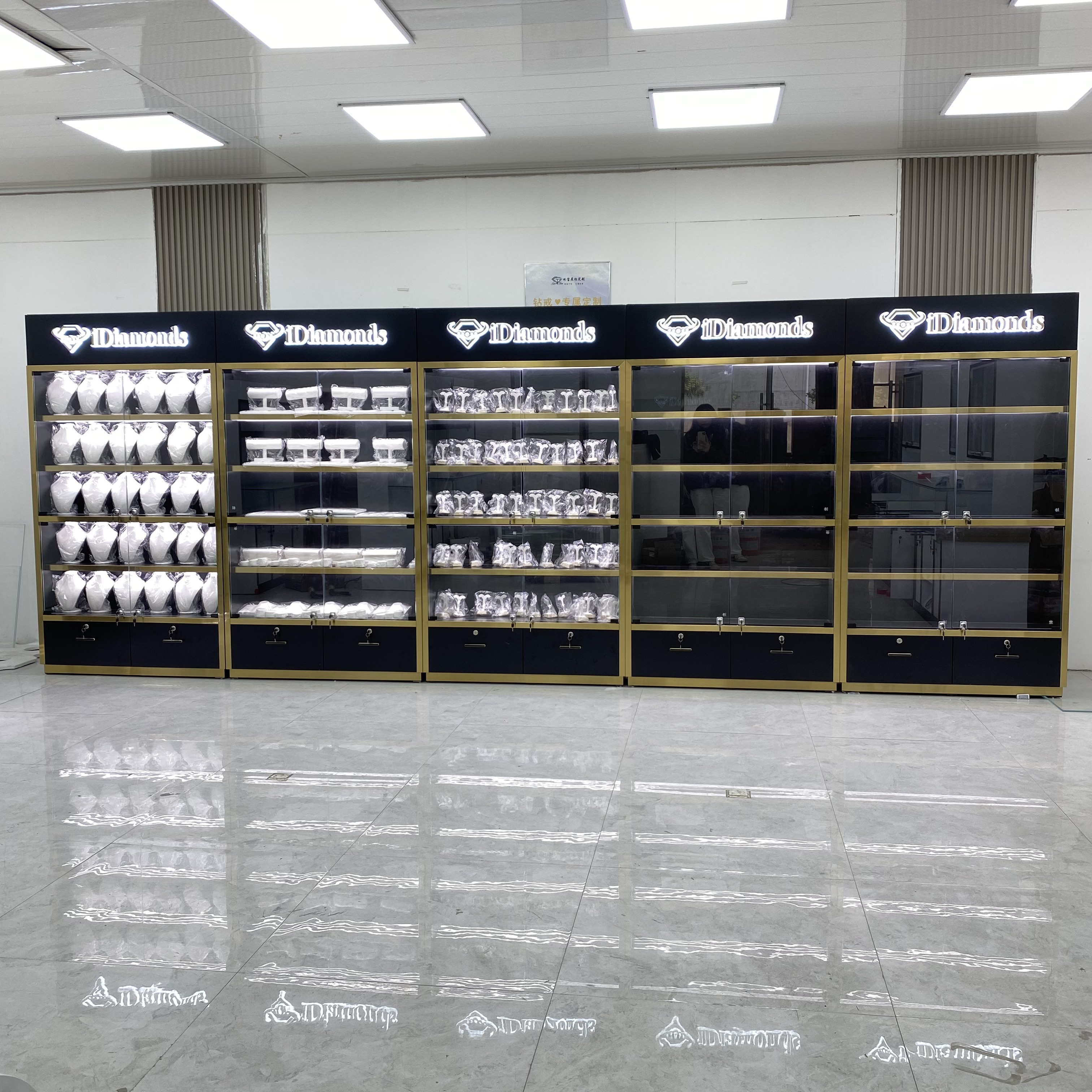
Modular architectures truly empower your daily merchandising teams. You must assess specific features carefully. Look for interchangeable viewing decks inside the main glass box. Demand magnetic fixture tracks instead of screwed-in clips. Require fully adjustable shelving systems. What is the actual operational outcome here? It allows your floor staff to reconfigure layouts overnight. They accomplish this easily without hiring specialized external contractors. They do not need heavy tools.
You must always balance flexibility against security. This represents a highly critical engineering challenge. A well-designed custom Jewelry Display Cabinet solves this dilemma seamlessly. It integrates modular internal presentation trays securely. Meanwhile, it maintains a fixed external shell. You need concealed smart locks. You need impact-resistant security glazing. These rigid features prevent aggressive smash-and-grab attempts. Your high-value inventory remains entirely safe.
Aesthetic continuity matters just as much as physical security. Modular designs sometimes show clunky mechanical joints. You must ensure all seams remain completely invisible. Tracks should hide behind elegant structural lips. The consumer should never see the underlying hardware. This invisible engineering maintains a seamless presentation. Your clients expect flawless visual harmony. Luxury buyers notice small aesthetic disruptions quickly.
Implementing a completely new fixture system carries inherent risks. You must establish highly realistic timelines. Engineering bespoke modular components takes careful planning. Never rush this critical design phase. You absolutely need a single-store prototype phase. Complete this step before attempting a massive national rollout. A prototype identifies critical design flaws early. It saves significant capital later.
Operational training presents a major hidden financial cost. Modularity only works if your team uses it correctly. Floor staff must receive proper assembly training. They need clear disassembly instructions. Incorrect handling causes premature mechanical wear. It degrades modular joints quickly. It can also damage sensitive internal lighting connectors. You must budget adequate time for comprehensive staff education.
Compliance and safety require strict ongoing verification. New sustainable materials behave differently. They differ from traditional solid woods or heavy plastics. You must verify these eco-friendly materials strictly. They must meet regional fire safety codes. They must also pass commercial structural weight standards. Do not assume recycled composites carry identical safety ratings. Always ask for updated testing certificates.
Engineer Custom Elements: Design and approve bespoke modular components tailored to your specific brand identity.
Deploy a Prototype: Install a single-store prototype to deeply test daily usage and actual durability.
Train Your Staff: Conduct comprehensive operational training for floor staff regarding assembly and daily maintenance.
Verify Compliance Codes: Check all materials against strict regional fire codes and structural retail safety standards.
Execute the Rollout: Begin the phased national rollout only after resolving all prototype feedback fully.
Choosing the right vendor heavily determines your project's success. You need strong logical criteria. Use this logic for narrowing down long vendor lists. Enterprise-level display projects demand highly capable manufacturing partners. Look far beyond basic unit pricing models. Evaluate their true custom manufacturing capacity. Assess their dedicated quality control processes thoroughly.
Assess their deep engineering expertise rigorously. Does the vendor have a proven track record? They must solve the security-modularity paradox effectively. Always request highly detailed case studies. Look for prime examples of past custom integrations. You want solid evidence of successful designs. They must build high-security modular environments previously. Do not let them experiment on your valuable project.
Supply chain transparency remains equally vital today. A reliable Display Cabinet Manufacturer must provide extremely clear audit trails. They should confidently prove the origins of all sustainable materials. This exact proof protects your brand. It prevents damaging greenwashing accusations from modern consumers. They should supply certificates for recycled metals and eco-glass.
Finally, scrutinize their exact post-installation support. Modular units possess many small moving parts. Check the detailed warranty coverage. Examine the terms on these modular mechanical joints. Ensure they cover concealed smart locks fully. Check the LED lighting drivers carefully. Strong post-installation support ensures long-term operational success. It minimizes frustrating retail downtime significantly.
Vetting Criteria | What to Look For During Procurement | Major Red Flags to Avoid |
|---|---|---|
Engineering Expertise | Detailed case studies proving a perfect security and modularity balance. | Vendor only produces static, traditional, single-use displays. |
Material Transparency | Provides clear, verifiable audit trails for all sustainable material inputs. | Makes vague, undocumented claims about "eco-friendly" or "green" inputs. |
Post-Installation Support | Offers comprehensive warranties on all moving parts and digital locks. | Offers no guaranteed coverage for lighting drivers or magnetic tracks. |
Prototyping Ability | Willingness to build and iterate on a single-store physical prototype. | Pushes aggressively for an immediate, untested national rollout. |
Sustainable, modular jewelry showcases represent a massive strategic investment. They offer much more than a simple aesthetic upgrade for your store. They actively streamline daily merchandising operations. They heavily reduce your brand's environmental impact over time. Your retail spaces become remarkably agile. They become highly responsive to shifting seasonal trends. Modern consumers definitely notice this ethical commitment. They reward brands showing genuine environmental responsibility.
We advise retail buyers to audit their current refit expenses thoroughly. Compare these historical figures against the projected operational benefits of true modularity. Next, always request a physical structural prototype. Get this from your shortlisted manufacturing partners early. Test the physical security mechanisms rigorously. Evaluate the lighting quality closely. Measure the modular flexibility in a real-world store setting. Do this before committing to a costly full-store redesign. Taking these calculated, evidence-based steps ensures success. It guarantees a highly future-proof, stunning retail rollout.
A: No, it absolutely does not. A well-engineered modular showcase balances aesthetic flexibility with robust physical protection beautifully. It features adjustable modular interior layouts. However, we house these interiors securely within fixed, heavy-duty exterior shells. We utilize security-rated tempered glass. We integrate concealed smart locks. The external frame remains completely rigid at all times. This dual approach prevents any unauthorized access easily.
A: Yes, they are incredibly durable today. Modern material science has advanced significantly in recent years. High-grade recycled metals easily meet rigorous commercial standards. Advanced eco-resins perform exceptionally well under stress. In many cases, they exceed the standard tensile strength of traditional virgin materials. They handle the daily physical wear of high-traffic retail environments exceptionally well. They resist scratching and denting beautifully.
A: You should expect a slightly longer project timeline. Realistic timelines demand an additional 3 to 5 weeks usually. This extra time allows for specialized material sourcing. It provides time for rigorous engineering validation. Standard off-the-shelf units ship faster naturally. However, custom eco-friendly builds require extremely careful precision. This ensures strict structural compliance and flawless luxury aesthetic perfection.


