
Views: 0 Author: Site Editor Publish Time: 2026-06-05 Origin: Site


In high-ticket retail, the financial stakes remain incredibly high. Customers judge the inherent value of your jewelry based entirely on the environment surrounding it. A flawless diamond quickly loses its brilliance inside a neglected, dusty case. Outdated, poorly lit, or scratched displays create massive cognitive dissonance for buyers evaluating premium pieces. They struggle to justify luxury price tags when the physical presentation feels remarkably cheap. You need modern fixtures reflecting the absolute prestige of your exclusive inventory. This guide serves as a pragmatic, evaluation-focused roadmap for retail operators planning a store remodel or targeted display upgrade. We provide clear criteria for navigating these complex structural decisions. You will discover how to perfectly align visual merchandising goals with rigorous security protocols.
Upgrading a primary Jewelry Display Cabinet requires balancing visual merchandising goals with strict security and durability standards.
The decision between off-the-shelf and a custom Jewelry Display Cabinet hinges on timeline, brand exclusivity, and spatial footprint.
Vetting a Display Cabinet Manufacturer based on track record, material certifications (e.g., tempered glass, UL-listed lighting), and post-installation support mitigates costly rollout risks.
Properly specified LED lighting temperatures (Kelvins) are critical for accurately representing different metals and stones.
A successful store upgrade goes far beyond mere cosmetic improvements. You need clearly defined success criteria to justify the capital expenditure. A well-executed remodel should directly increase customer dwell time. Shoppers naturally linger around beautifully illuminated, modern display zones. Upgraded cases also drive higher perceived item value. A luxury timepiece looks significantly more expensive inside a pristine, shadow-free environment. Furthermore, modernizing your fixtures reduces associate friction during presentations. Smooth-gliding tracks allow your staff to retrieve items effortlessly. This seamless motion keeps buyers fully engaged.
You must actively identify physical degradation costing you daily sales. Failing lock mechanisms look highly unprofessional. They force associates to fumble, breaking the emotional spell of a luxury purchase. Deteriorating velvet or leatherette bases make premium pieces look tired and neglected. Uneven lighting creates frustrating dead zones across your displays. These shadows obscure gemstone clarity and metal finishes. Customers rarely purchase items they cannot see perfectly. These degradation indicators signal an immediate need for modernization.
Focus your ROI metrics on asset longevity and closing ratio improvements. Initial capital expenditures only tell a fraction of the story. High-quality fixtures actively improve closing ratios for high-margin inventory. Evaluate the durability of the structural materials used. Stronger safety glass and reinforced hinges keep cases functioning perfectly for a decade. A modern Jewelry Display Cabinet acts as an active sales tool. It protects your inventory while simultaneously elevating your brand prestige.
Retailers must carefully choose the right structural approach for their specific spaces. This crucial choice impacts everything from project timelines to overall store flow. You essentially have two main paths: standard modular units or entirely bespoke designs.
Standard or modular cabinets offer several compelling advantages. You benefit from significantly faster lead times. Baseline costs remain highly predictable and straightforward. You can easily order and replace standardized parts if accidental damage occurs. However, standard cases carry distinct drawbacks. They often fail to maximize irregular or challenging floor plans. They also lack unique brand differentiation. Your store might end up looking identical to a competitor down the street.
Alternatively, a custom Jewelry Display Cabinet delivers exact brand alignment. It creates a highly tailored footprint for complex store layouts. You can specifically integrate localized security tech seamlessly into the design. Designers can match wood veneers or metal finishes perfectly to your brand book. On the downside, custom builds require extended lead times. They also demand higher upfront engineering and design costs. You must plan these projects months in advance.
Use a strategic decision framework to align your immediate constraints. The timeline-to-budget matrix below helps clarify the right approach for your retail operation.
Structural Approach | Ideal Timeline | Budget Impact | Best Use Case Scenario |
|---|---|---|---|
Standard/Modular | 2 to 4 Weeks | Low to Moderate | Pop-up shops, rapid expansions, tight initial budgets. |
Semi-Custom | 4 to 8 Weeks | Moderate | Standard frames featuring customized brand finishes or lighting. |
Fully Custom | 8 to 14+ Weeks | High | Flagship locations, complex layouts, luxury boutique redesigns. |
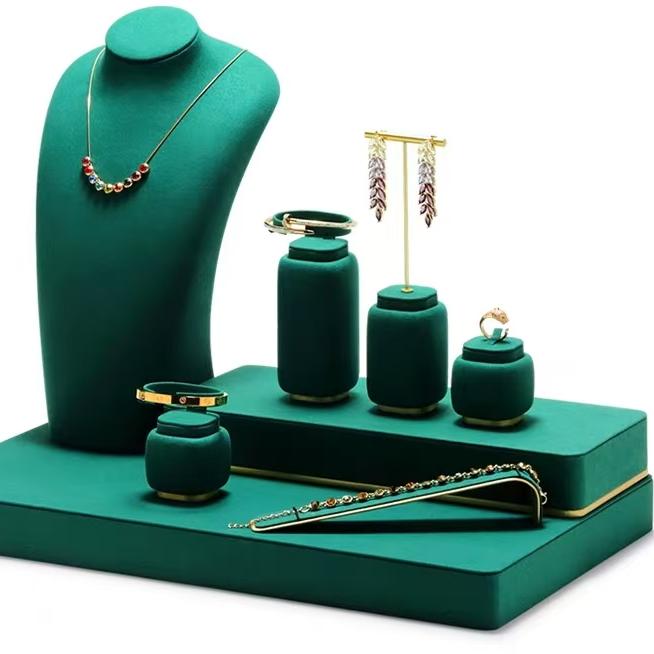
Protecting high-ticket inventory requires uncompromising material integrity. Always specify laminated or tempered safety glass for your primary cases. These specific materials resist blunt force impacts effectively. Laminated glass holds together even when shattered, preventing quick smash-and-grab thefts. Reinforced structural framing prevents cases from bowing under heavy pressure. We strongly recommend reviewing local compliance standards before finalizing any designs.
Access control technology dictates how your associates interact with cases daily. Traditional mechanical master-key systems remain highly popular and reliable. However, they pose severe security risks if keys get lost or stolen. Smart-lock integration and RFID systems offer superior inventory loss prevention. They digitally track exactly who opens each case. Associates simply wear an RFID ring or wristband. This technology allows them to open cases smoothly without fumbling for physical keys.
Lighting acts as your most effective silent salesperson. Color temperature matching remains absolutely non-negotiable for premium jewelry. You must select specific Kelvin ratings to highlight different materials properly. Diamonds require cool white lighting to enhance their natural brilliance. Gold pieces need warm white light to look rich and inviting. We recommend a neutral 4000K to 4500K range for mixed merchandise displays.
Heat dissipation demands equal attention during the design phase. Poorly ventilated lighting traps immense heat inside the glass case. This hostile environment damages sensitive inventory over time. Pearls, opals, and certain antique adhesives degrade quickly under excessive heat. Always specify high-efficiency, UL-listed LED strips designed specifically for enclosed retail spaces. Good lighting runs completely cool to the touch.
Jewelry/Material Type | Recommended Kelvin Rating | Visual Outcome |
|---|---|---|
Diamonds & Platinum | 5000K - 6000K (Cool White) | Maximizes sparkle, highlights absolute clarity, prevents yellow tinting. |
Mixed Metals & Watches | 4000K - 4500K (Natural White) | Provides balanced illumination, accurately renders diverse material colors. |
Yellow Gold & Rubies | 3000K - 3500K (Warm White) | Enhances rich tones, creates a luxurious and inviting glow. |
A beautifully designed case fails completely if your staff cannot use it efficiently. Presentation flow relies heavily on smooth internal mechanics. Evaluate rear-access sliding doors against pull-out drawer systems. Sales associates must retrieve items quickly and gracefully. They need to return pieces without breaking vital eye contact. Seamless mechanics keep the customer engaged throughout the entire presentation. Heavy, sticking, or rattling doors distract buyers at critical decision-making moments. Ensure your drawer glides feature soft-close mechanisms to prevent jarring vibrations.
Selecting the right production partner mitigates severe rollout risks. Demand total transparency regarding their manufacturing track record. Look closely for documented case studies of similar retail footprints. Beware of vendors acting vaguely about their factory operations. They must clearly explain their sourcing, assembly process, and quality control checkpoints. A trustworthy partner will proudly showcase their previous retail installations.
Engineering capabilities separate excellent builders from average ones. A top-tier Display Cabinet Manufacturer provides exhaustive technical documentation. Ensure they deliver detailed CAD drawings and hyper-realistic 3D renderings. You need to verify structural load limits before production ever begins. Reviewing these precise details prevents disastrous structural failures post-installation.
Post-sale support matters just as much as the initial build quality. Read the fine print carefully on glass replacement policies. Check the exact duration of lighting component warranties. Ask specific questions about the availability of replacement parts in three to five years. Retail fixtures take heavy daily abuse from constant use. You must know your manufacturer will answer the phone when a track inevitably needs replacing.
Upgrading your store requires meticulous logistical planning. Lead time management presents the biggest challenge for retail operators. You must acknowledge the harsh realities of global freight delays. Customs clearance often adds unexpected weeks to your project timeline. Domestic shipping for heavy, fragile fixtures requires specialized white-glove freight carriers. Always build a generous buffer into your grand reopening schedule to absorb inevitable delays.
You must minimize store downtime aggressively. Closing your doors stops cash flow entirely. Phased installations protect your daily revenue streams effectively. Consider scheduling after-hours rollouts for major structural changes. This strategy prevents construction dust and noise from deterring shoppers. Your store can operate normally during the day while transforming overnight.
Crucial site preparation must happen long before the cabinets arrive. Follow these foundational site prep requirements:
Complete all electrical routing and floor channel cuts to hide wiring completely.
Level the flooring meticulously to prevent dangerous glass case torsion.
Reposition overhead security cameras to align perfectly with new case layouts.
Secure off-site storage or disposal solutions for your outdated fixtures.
Test all dedicated electrical breakers to ensure they handle the new LED loads safely.
A strategic jewelry display upgrade serves as a powerful, multi-faceted business investment. It dramatically builds brand equity while maximizing your physical asset protection. Moving past simple aesthetics creates a highly measurable retail advantage. Upgraded LED lighting and seamless ergonomic mechanics actively drive higher closing rates. Advanced security improvements protect your valuable bottom line from devastating losses. Your retail environment must accurately reflect the premium nature of your inventory.
Take action by auditing your current store floor plan today. Note exactly where traffic bottlenecks occur or where lighting fails to impress. Reach out to your internal design team to discuss these specific gaps. Request targeted material samples and initial quotes from vetted vendors to begin your transformation journey.
A: A commercial-grade jewelry display cabinet typically lasts between 7 and 10 years. This lifespan depends heavily on regular track maintenance, gentle glass care, and stable climate control. Upgrading hinges and replacing LED drivers can extend the functional life of high-quality custom frames even further.
A: The standard industry recommendation for mixed-metal displays falls between 4000K and 4500K. This neutral, natural-white temperature prevents diamonds from looking yellow while keeping gold tones reasonably warm. Using this specific Kelvin range ensures all diverse inventory looks visually appealing in a shared showcase.
A: You should expect a manufacturing timeline of 6 to 12 weeks. This active production period begins only after you finalize and approve all CAD drawings. Remember to factor in extra time for freight shipping and customs clearance if you partner with an overseas vendor.
A: Yes, you can often retrofit older cabinets with new LED strips or RFID smart locks. However, you must carefully weigh the feasibility against the required labor. Sometimes, the complex labor required for intricate retrofitting exceeds the price of buying a modern, fully integrated replacement fixture.


