
Views: 0 Author: Site Editor Publish Time: 2026-05-29 Origin: Site


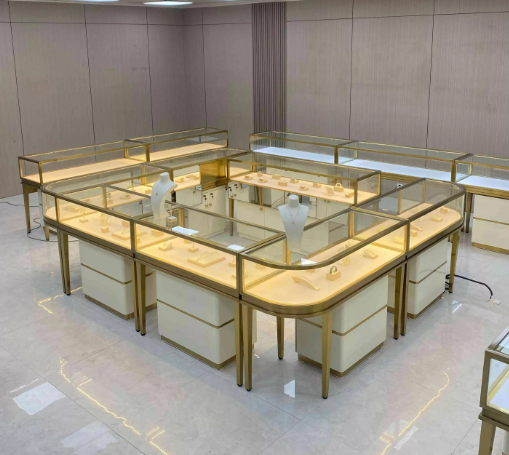
The aesthetic and functional lifespan of a premium retail display cabinet relies heavily on your final cabinetry coating. Achieving a truly flawless interior means selecting a finish designed specifically for your daily store operations. Buyers frequently face a difficult choice between standard painted surfaces and premium lacquer options. While both can initially look perfectly smooth in a showroom, their underlying chemical composition, curing processes, and long-term wear patterns differ drastically.
If you choose incorrectly, you risk early peeling or severe moisture damage. Our goal is to provide an objective, evidence-based breakdown of the Piano Lacquer Cabinet versus ordinary paint cabinet difference. You will learn exactly how these two finishes perform under pressure in retail environments. Ultimately, we will help you align your final choice with your store environment, design aesthetic, and maintenance capacity.
Application: Piano lacquer requires a dust-free factory environment, multiple baked layers, and professional HVLP (High Volume Low Pressure) spraying. Ordinary paint can be brushed, rolled, or sprayed on-site.
Aesthetics: A true piano lacquer yields a flawless, mirror-like high gloss finish cabinet that reflects light, whereas ordinary paint typically leaves minor surface textures (orange peel or brush marks).
Durability Trade-off: Lacquer forms a deeply integrated, waterproof shell that resists fading, but is vulnerable to chipping from blunt impact. Ordinary paint handles wood expansion better but is prone to peeling and everyday scuffing.
Cost: Piano lacquer requires a significantly higher upfront investment due to the labor-intensive polishing and curing process.
Understanding the fundamental chemistry behind these finishes reveals why they behave so differently. Manufacturers approach these two materials using entirely distinct application methods.
Ordinary cabinet paints consist primarily of water-based acrylics, alkyds, or polyurethane blends. They provide a protective color layer. You apply them using brushes, rollers, or basic sprayers. Once applied, this liquid dries via evaporation. It cures through a process called chemical cross-linking.
The most important characteristic of ordinary paint is how it sits on the surface. The paint creates a distinct film directly on top of the wood or MDF substrate. If you apply three coats of paint, you essentially build three separate microscopic layers. This stacking effect creates decent protection. However, it leaves the surface vulnerable to peeling if the bottom layer loses adhesion.
Common Mistake: Many store owners assume thick paint means better protection. In reality, applying overly thick paint layers traps moisture. This trapped moisture eventually softens the substrate underneath.
Piano lacquer operates under a completely different scientific principle. It represents a specialized category of finishing. Factories often use unsaturated polyester or advanced catalyzed resins. Creating this finish requires a rigorous multi-step baking and polishing process.
When technicians spray lacquer, the solvents evaporate incredibly fast. The true magic happens during reapplication. Subsequent coats actually "reactivate" the underlying finish. The new liquid melts directly into the previous layers. This chemical reaction creates a unified, seamless solid rather than individual stacked layers. You get a thick, integrated shell. This shell wraps the display cabinet door tightly.
How do these finishes translate to daily store use? We must evaluate them based on visual impact and physical durability.
Piano lacquer delivers unmatched depth and visual clarity. The surface achieves a literal mirror effect. This highly reflective nature bounces ambient store lighting effectively. It makes compact retail spaces or smaller boutiques appear significantly larger. When factories apply this over properly routed MDF, you see zero visible edge banding. The color simply flows seamlessly around every corner.
Ordinary paint offers different aesthetic benefits. It provides a wider variety of sheens. You can easily select matte, satin, or semi-gloss finishes. Matte finishes absorb light beautifully for rustic or industrial store designs. However, achieving a glass-like flat surface remains physically impossible with standard paint. Without the chemical reactivation properties of lacquer, ordinary paint inevitably leaves minor textures like "orange peel" or faint brush marks.
We measure wear resistance by how a surface handles daily retail hazards.
Feature | Piano Lacquer | Ordinary Paint |
|---|---|---|
Visual Depth | Mirror-like clarity, high light reflection | Flat to semi-gloss, limited light bounce |
Surface Texture | Perfectly smooth, no brush marks | Slight orange peel or brush strokes visible |
Moisture Resistance | Fully waterproof integrated shell | Water-resistant but can eventually peel |
Impact Resistance | Prone to sharp chipping from hard hits | Absorbs minor impacts, prone to scuffing |
Piano Lacquer: You get exceptional resistance to moisture, dust, and standard cleaning chemicals. The baked surface tension creates an impenetrable barrier. However, this extreme hardness makes the finish somewhat brittle. Heavy products or display items banging directly against the edges can cause localized chipping.
Ordinary Paint: Paint remains softer and much more flexible. It adapts beautifully to the natural expansion and contraction of wood doors. Unfortunately, this softer surface degrades faster over time. Repetitive cleaning with abrasive materials will dull the paint sheen quickly.
Retail environments experience various conditions. Store lighting, humidity, and daily handling constantly affect your display cabinetry.
You must assess your store's lighting before selecting a finish. Constant light exposure degrades cabinet coatings over time.
Lower-tier oil-based paints suffer greatly under UV exposure. They are notorious for yellowing. A pristine white painted display cabinet might look slightly yellow after just a few years. Traditional nitrocellulose lacquers share this exact same vulnerability.
Modern piano lacquers solve this problem through chemistry. Top-tier manufacturers utilize UV-resistant additives. They often use acrylic-modified bases to maintain perfect color fidelity. This technology remains especially crucial if you specify stark white or deep navy cabinets. The color stays locked in its original factory state for years.
The core material behind the color dictates the lifespan of the finish. Substrate compatibility is critical.
Medium-Density Fiberboard (MDF) remains the strictly preferred substrate for piano lacquer. MDF lacks natural wood grain. More importantly, it does not warp, breathe, or crack due to seasonal humidity changes. This ultimate stability preserves the rigid lacquer shell. If the substrate does not move, the brittle lacquer does not crack.
Conversely, solid wood constantly breathes and shifts. If you apply rigid lacquer to solid wood doors, the joints will eventually crack the finish. If you insist on using solid wood for your display cabinets, you must choose ordinary paint. A highly flexible urethane ordinary paint is structurally safer. It stretches slightly, preventing ugly joint cracking when dry conditions affect the wood.
Best Practice: Always pair high-gloss finishes with stable engineered substrates like MDF for display cabinets. Reserve solid wood panels for flexible, water-based urethane paints.
How much time are you willing to spend maintaining your retail display cabinets? The daily reality of these finishes differs immensely.
Daily cleaning methods vary drastically between the two surfaces.
Piano Lacquer Upkeep: These cabinets are extremely easy to wipe down. Dust and dirt literally cannot penetrate the sealed resin surface. However, you must use clean microfiber cloths. Paper towels or rough sponges will create micro-scratches in the high-gloss clear coat. Always use gentle, non-abrasive liquid cleaners.
Ordinary Paint Upkeep: Matte and satin paints hide everyday dust and fingerprints much better. You do not need to wipe them constantly. However, dirt and grime bind to painted surfaces more aggressively. You may require more abrasive scrubbing to remove stubborn marks. This aggressive scrubbing slowly wears away the protective topcoat.
Accidents happen in busy retail stores. Repairing these accidents requires different approaches.
Ordinary paint remains highly forgiving for local touch-ups. If you scuff a painted display cabinet, a local technician can easily fix it. They can lightly sand the damaged area and feather in matching paint using a small brush. The repair blends relatively well.
Piano lacquer strictly prohibits simple touch-ups. You cannot patch a chipped lacquer door with a brush. It will look obvious. Minor scratches require professional machine buffing, similar to automotive clear-coat correction. Severe chips require sending the door back to the factory for re-spraying. You must accept this reality before purchasing.
You must evaluate your long-term store timeline. Ordinary paint proves incredibly cost-effective for shorter update cycles. If you plan to refresh your store branding or change colors in 3 to 5 years, paint makes financial sense.
Piano lacquer represents a serious investment in your retail presence. The intensive labor drives up the initial price. However, you are buying a 10-15+ year lifespan. Premium boutiques and luxury retailers specifically specify this finish for high-end property presentations. It maintains a "day-one" premium appearance for years.
Not all glossy display cabinets feature true piano lacquer. Many budget suppliers apply cheap high-gloss paint and falsely market it. You must vet your Piano Lacquer Cabinet supplier carefully to ensure authentic quality.
A legitimate supplier must operate industrial-grade facilities. True lacquer application requires dust-free pressurized spray booths. It also demands specialized high-temperature baking rooms. Ask the manufacturer for facility proof or factory videos. You absolutely cannot achieve a flawless piano lacquer finish in a standard open-air workshop. Any airborne dust will ruin the mirror surface instantly.
Do not accept standard paint practices. Standard premium painted finishes usually require 3 to 4 coats. True piano lacquer often demands 6 to 10 alternating layers. The factory must apply primer, color coats, and multiple clear coats. More importantly, they must perform intensive machine polishing between every single stage. Ask the supplier directly about their specific coat count and polishing workflow.
Never buy without touching the product. When evaluating physical supplier samples, always check the corners and routed edges.
Inferior applications will look thin or feel rough on the edges.
Cheap gloss paint often pools unevenly at the bottom of the display door.
True high-end lacquer maintains perfectly uniform thickness and gloss everywhere.
Your display cabinet finish dictates both the beauty and functional longevity of your retail space. We have provided a final decision matrix to simplify your choice. Choose ordinary paint if you prefer solid wood cabinetry, operate on a tighter budget, plan frequent store refreshes, or want a rustic or industrial aesthetic. Conversely, specify piano lacquer for modern, flat-panel MDF designs. It delivers high-impact visual luxury, absolute moisture sealing, and long-term prestige for premium retail environments.
Take action before making a final commitment. Request physical finish samples from your shortlisted manufacturers. Place these samples in your actual store under your lighting conditions. Test how they reflect your specific store lighting at different times of the day. Finally, perform a subtle scratch test on the back of the sample to understand its true daily resilience.
Q: Can you paint over a piano lacquer display cabinet later?
A: Yes, but it requires extensive mechanical sanding and specialized bonding primers. Traditional water-based paints will not adhere to the slick, glossy resin surface. You must use strong shellac-based sealers to bridge the gap before applying new paint. This is typically a factory-level job.
Q: Is water-based lacquer as durable as traditional baked piano lacquer?
A: Water-based lacquers are eco-friendly, boast low VOCs, and resist yellowing exceptionally well. However, they do not typically achieve the exact "liquid glass" hardness and profound visual depth found in traditional chemically-catalyzed, baked piano lacquers used on high-end display cabinets.
Q: Does a high gloss finish display cabinet show fingerprints easily?
A: Yes. While they are the easiest surfaces to wipe clean, the mirror-like surface highlights oily fingerprints and smudges much faster than matte or satin paint. This is particularly noticeable on dark colors. In retail settings, regular gentle wiping with a microfiber cloth keeps them looking pristine.


