
Views: 0 Author: Site Editor Publish Time: 2026-03-10 Origin: Site


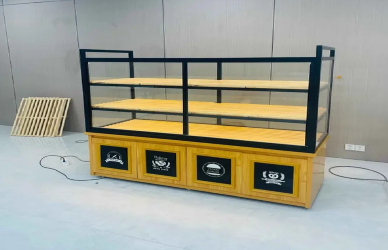
Proper temperature control in a cake display fridge is essential for preserving the freshness, texture, and appearance of cakes. Whether you're running a bakery or displaying cakes in a cafe, the right temperature can make all the difference in how your cakes look and taste. This article explores the importance of temperature control, how it affects your cakes, and the best practices for maintaining the perfect cake display fridge.
Cakes contain a variety of ingredients, including flour, sugar, butter, eggs, and perishable elements like cream or fruit. These ingredients behave differently when exposed to varying temperatures, which is why controlled storage is so important.
For cakes with perishable elements (e.g., fresh cream, custard, or mousse), it’s essential to store them in refrigerated display fridges. This ensures that the filling remains fresh, stable, and safe for consumption. Cakes without perishable fillings can generally be stored at room temperature, but even these cakes benefit from a cooler environment, especially when they are decorated with buttercream or fondant, as excessive heat can cause melting.
Improper temperature storage can lead to a range of issues:
Overheating: If the cake is stored at too high a temperature, the frosting may melt, and the cake itself may begin to lose its moisture and flavor.
Freezing: Storing a cake at too low a temperature can cause the cake to freeze, which affects the texture and flavor. Additionally, the frosting can become hard and cracked.
Bacterial Growth: For cakes that contain perishable fillings or fresh fruit, improper storage can lead to bacterial growth, which poses a health risk to consumers.
By carefully monitoring and controlling the temperature of your cake display fridge, you can avoid these problems and ensure your cakes always look and taste their best.
Different types of cakes require different temperature ranges for optimal storage:
Buttercream or Fondant Cakes: These cakes, typically with a sugar-based frosting, can be safely stored at room temperature (68-72°F or 20-22°C). However, in hot weather or in a bakery with high foot traffic, it’s best to store them in a display fridge at a temperature of 50-55°F (10-13°C) to prevent melting.
Fresh Cream or Custard Cakes: Cakes with perishable fillings, such as fresh cream, custard, or mousse, need to be stored at a refrigerated temperature of 35-40°F (1.5-4°C) to prevent spoilage and maintain freshness.
Fruit Cakes: Cakes topped with fresh fruits or with fruit fillings should be stored in a refrigerator at 35-40°F (1.5-4°C) to preserve both the cake and fruit's quality and prevent spoilage.
Maintaining the right temperature for each type of cake ensures both safety and quality, while helping the cakes retain their flavor and appearance.
Fluctuating temperatures can be detrimental to cakes, causing issues like condensation, sogginess, or melting. When a cake is stored in a display fridge that doesn't maintain a stable temperature, it can experience periods of warmth, leading to condensation on the cake’s surface. This moisture can weaken the cake’s frosting, cause it to slide off, or make it look unappetizing. Additionally, temperature fluctuations can lead to the growth of bacteria on cakes with cream or fruit fillings, increasing the risk of contamination.
To avoid these issues, it's important to regularly check the temperature of your display fridge and ensure that it remains constant. A refrigerator with a thermostat or temperature control system can help maintain a stable environment, reducing the risk of damage to your cakes.
There are two main types of display fridges used for cakes: dry display fridges and refrigerated display fridges.
Dry Display Fridges: These are typically used for cakes that do not require refrigeration, such as those with buttercream or fondant frosting. They provide a cool environment without the added humidity of a refrigerated fridge. Dry display fridges maintain ambient temperature, which is perfect for cakes that are more resistant to temperature fluctuations.
Refrigerated Display Fridges: These are used for cakes with perishable fillings or fresh fruit. Refrigerated display fridges are equipped with cooling systems that maintain temperatures between 35-40°F (1.5-4°C), ensuring that cakes stay fresh, safe, and visually appealing.
The key difference between the two types of fridges is the temperature range they maintain. For cakes with perishable ingredients, a refrigerated display fridge is necessary. For non-perishable cakes, a dry display fridge may be sufficient.
Choosing the right display fridge for your cakes depends on the type of cakes you sell. If you specialize in cakes with buttercream frosting, fondant designs, or other non-perishable toppings, a dry display fridge may work perfectly. However, if you offer cakes that require refrigeration, such as cream-filled cakes or cakes with fresh fruit, a refrigerated display fridge is essential for maintaining their freshness and quality.

To ensure that your cake display fridge maintains the correct temperature, regular monitoring is essential. Make it a habit to check the fridge’s thermostat settings daily to ensure it’s in the optimal range. Additionally, it’s important to clean the display fridge regularly. Dust and debris can obstruct airflow, causing temperature fluctuations or uneven cooling. By keeping the fridge clean, you ensure the proper functioning of its cooling system, allowing for consistent temperature control.
Here are some tips for maintaining stable temperature control in your cake display fridge:
Avoid Overcrowding: Overcrowding the fridge can block airflow, causing temperature fluctuations. Make sure the fridge is organized, and there’s enough space for air to circulate freely.
Place Cakes Properly: Cakes should not be placed directly in front of vents or cooling units. This ensures that all cakes are stored at an even temperature.
Seal the Fridge Door Properly: Make sure the fridge door is sealed tightly to prevent warm air from entering and affecting the temperature inside.
By following these tips, you can ensure that your cakes remain fresh and visually appealing.
Temperature plays a key role in the appearance of cakes. If the temperature is too high, frosting may melt or lose its shape, and delicate decorations may sag or collapse. Cakes that are too cold can have frosting that hardens and cracks. By maintaining the right temperature, you ensure that cakes retain their ideal texture and aesthetic. The appearance of your cakes is crucial in attracting customers, and temperature control helps preserve their appeal.
In addition to temperature, lighting and display setup are also important factors in enhancing cake presentation. Proper lighting can highlight the details of your cake, such as intricate decorations or shiny glazes. Use soft, warm lighting to make the cakes appear more inviting and appetizing. Additionally, organize the cakes in the display fridge in a way that makes them easily accessible to customers, creating an attractive and functional display.
It’s important to check the temperature at least once a day, especially during busy periods when the door is opened frequently. For refrigerated display fridges, check the thermostat setting every morning before the bakery opens, and monitor it periodically throughout the day.
Yes, cakes can be stored overnight in a display fridge, provided the fridge is properly set at the right temperature. This is especially important for cakes with perishable fillings or cream-based decorations, as refrigeration helps preserve freshness and prevent spoilage.
If the temperature is too low, cakes can freeze, causing the frosting to harden and crack. It can also affect the texture of the cake, making it dry and unappetizing. Be sure to regularly monitor the fridge’s temperature and make necessary adjustments.
If your fridge is not maintaining a consistent temperature, or if you notice signs of poor cooling such as frosting melting or cakes drying out, it may need maintenance. Check for obstructions in the airflow, dirty coils, or faulty thermostats. Regular maintenance can help extend the life of the fridge and ensure it works efficiently.
In conclusion, maintaining the right temperature in your cake display fridge is essential for preserving the freshness, texture, and appearance of your cakes. Whether you use a dry display fridge for non-perishable cakes or a refrigerated display fridge for cakes with perishable fillings, proper temperature control directly impacts both the quality of your products and the customer experience. By regularly monitoring and maintaining your fridge, ensuring proper placement of cakes, and keeping the fridge clean, you can prevent temperature fluctuations that may lead to spoilage or unsightly cakes. Additionally, understanding the ideal temperature for different cake types helps ensure that your cakes remain fresh, safe, and visually appealing. Investing in a well-maintained cake display fridge is not just about keeping your cakes at the right temperature—it’s about enhancing your bakery’s reputation and boosting customer satisfaction by offering high-quality, beautifully presented cakes every time.


