
Views: 0 Author: Site Editor Publish Time: 2025-09-27 Origin: Site


Ever wondered why some jewelry displays captivate while others fall flat? The secret lies in the perfect blend of showcase design and lighting. A well-crafted jewelry showcase display with LED lighting not only highlights gems but also enhances their sparkle and allure. In this post, you'll learn how to select the ideal showcase and use LED lighting to make your jewelry truly shine.
Selecting the perfect jewelry showcase is crucial for highlighting your gems beautifully and attracting customers. There are various types of showcases, each designed to meet different needs and display styles. Understanding these options and the factors to consider helps create an inviting and effective display.
● Countertop Showcases: These compact cases sit on counters or tables and are ideal for small spaces. They offer close-up views and easy access for customers and staff.
● Wall-Mounted Showcases: Fixed to walls, these save floor space and allow vertical arrangement of jewelry. They work well for highlighting specific collections or high-value items.
● Freestanding Showcases: Larger and more versatile, these can be placed anywhere in the store. They often have glass on multiple sides, offering 360-degree visibility.
● Rotating Displays: These add movement and catch the eye, making jewelry sparkle as it turns. They are great for showcasing a variety of pieces in a limited area.
● Custom-Built Showcases: Tailored to your store’s design and jewelry type, these provide the best fit and style but come at a higher cost.
● Security: Jewelry is valuable and requires protection. Look for showcases with sturdy locks, tempered glass, and tamper-proof features.
● Visibility: Clear glass and minimal framing help customers see jewelry without obstruction. Anti-reflective coatings can reduce glare.
● Lighting Compatibility: Ensure the showcase allows integration of LED or other lighting systems to enhance sparkle and color.
● Size and Layout: Choose a size that fits your space and allows comfortable browsing. Consider the number of pieces you want to display without overcrowding.
● Accessibility: Easy access for staff to handle jewelry quickly and safely is essential. Sliding doors or removable panels help.
● Material and Design: The showcase should complement your store’s aesthetic. Wood, metal, and glass finishes each create different moods.
● Maintenance: Smooth surfaces and simple designs make cleaning easier, keeping your display pristine.
By carefully choosing the right showcase type and considering these factors, you create a foundation that enhances your jewelry’s appeal and supports effective LED lighting setups.
LED lighting has revolutionized how jewelry displays captivate customers. It offers bright, energy-efficient illumination that highlights gems and metals without causing heat damage. Using the right LED lights can make your jewelry sparkle, drawing attention and boosting sales.
● Energy Efficiency: LEDs consume less power than traditional bulbs, saving money on electricity bills.
● Low Heat Emission: Unlike halogen or incandescent bulbs, LEDs emit minimal heat, protecting delicate jewelry from damage.
● Long Lifespan: LEDs last thousands of hours, reducing replacement frequency and maintenance costs.
● Brightness and Clarity: LEDs provide intense, focused light that enhances sparkle and color contrast.
● Versatility: Available in various colors and intensities, LEDs adapt to different display needs.
● Compact Size: Their small size allows flexible placement inside showcases without obstructing views.
Choosing the right LED type depends on your display goals and jewelry types. Here are common LED options used in jewelry showcases:
● LED Light Strips: Flexible strips fit inside cases along edges or shelves. They offer even lighting and come in adjustable brightness and color temperatures. Strips are perfect for outlining displays or backlighting.
● LED Spotlights: Small, directional bulbs that focus light on specific pieces. Spotlights create dramatic effects by enhancing sparkle and depth. They are excellent for highlighting premium or featured items.
● LED Puck Lights: Compact, round lights often mounted on showcase ceilings. They provide concentrated pools of light, ideal for illuminating clusters or small groups of jewelry.
● LED Panel Lights: Thin, flat panels that offer soft, uniform illumination. Panels reduce shadows and glare, creating a clean, modern look.
● Fiber Optic LED Lighting: Uses fiber optic cables connected to a remote LED source, delivering pinpoint illumination without heat at the display surface. This is great for temperature-sensitive gems.
● Use light strips for general illumination and to create ambient glow inside cases.
● Apply spotlights or puck lights to emphasize diamonds or gemstones that benefit from focused beams.
● Choose panel lights when you want soft, shadow-free lighting for delicate or intricate designs.
● Consider fiber optic LEDs for high-end displays requiring precise light placement and zero heat.
By selecting appropriate LED types and combining them smartly, you can tailor lighting to showcase each gem’s brilliance and color accurately.
Tip: Use adjustable LED light strips combined with spotlights to create layered lighting that enhances sparkle and draws customer focus to key jewelry pieces.
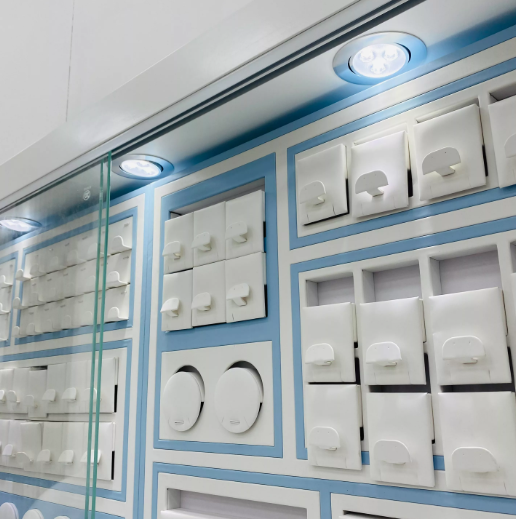
Proper placement of LED lights inside your jewelry showcase is key to making gems sparkle and drawing customers’ eyes. The way you position lights creates reflections and highlights that bring out the brilliance and color of each piece.
● Top Lighting: Place LED lights along the top of the case to shine down on jewelry. This angle produces natural-looking sparkle by reflecting light off gem facets.
● Back Lighting: Adding lights at the back of the showcase creates depth and a glowing effect around pieces. It also prevents shadows, making gems appear more vibrant.
● Side Lighting: Positioning LEDs on the sides can add extra shimmer and help illuminate intricate details. However, avoid harsh side lighting that causes glare or uneven brightness.
● Angle and Distance: Adjust the angle of spotlights and strips carefully. Aim for light to hit gems at angles that maximize reflection without causing glare or dark spots. Keep lights close enough for brightness but not so close they overwhelm or heat the jewelry.
● Layered Lighting: Combine different light placements to create a balanced, multi-dimensional display. Top lights provide general illumination, backlights add glow, and spotlights highlight key items.
● Use Reflective Surfaces: Place jewelry on reflective materials like white or mirrored backgrounds. This bounces light back through gems, increasing sparkle.
● Clean Jewelry and Glass: Dirt or smudges reduce light reflection. Keep gems and glass spotless to maintain brightness.
● Focus on Diamonds and Faceted Stones: These gems catch light best. Use spotlights to direct beams precisely onto them, creating dynamic twinkles.
● Control Light Intensity: Too much light can wash out colors; too little leaves jewelry dull. Use dimmable LEDs to fine-tune brightness.
● Experiment with Angles: Small adjustments in light direction can change how gems catch light. Test different setups to find the most dazzling effect.
● Avoid Direct Eye Glare: Position lights so customers see sparkle on jewelry, not blinding bulbs.
By thoughtfully placing LED lights and using these techniques, you can create a showcase that makes every gem shine brilliantly. This setup not only enhances visual appeal but also invites customers to linger and explore your collection.
Color temperature plays a vital role in how jewelry looks under LED lighting. It is measured in Kelvins (K) and affects the mood and appearance of your gems and metals. Choosing the right color temperature ensures your jewelry shows its true colors and sparkles beautifully.
● Warm White (2200K–3000K): This range gives a soft, yellowish glow. It works best for gold jewelry and warm-colored gemstones like citrine, amber, or topaz. Warm light creates a cozy, inviting atmosphere that enhances yellow and orange tones.
● Neutral White (3100K–4500K): Neutral or cool white light offers a balanced, natural look. It suits mixed collections or pieces with both warm and cool tones. This range helps show jewelry colors accurately without bias.
● Daylight (5000K–6500K): Daylight is a bright, bluish-white light. It’s perfect for diamonds, white gold, platinum, and colorless or blue stones like sapphires. This temperature maximizes brilliance and clarity, making gems appear crisp and sparkling.
Different jewelry materials and gemstones respond better to specific color temperatures. Matching light to jewelry type enhances appeal and customer experience.
● Gold Jewelry: Warm white light (2200K–3000K) highlights gold’s rich yellow tones. It adds warmth and depth, making gold look more luxurious.
● Diamonds and White Metals: Daylight (5000K–6500K) brings out the sparkle and fire in diamonds. It also enhances white metals like platinum and silver, showing their true shine.
● Colored Gemstones: Choose color temperature based on the gem’s hue. Warm light suits yellow, orange, and red stones. Cool or neutral light works better for blue, green, and purple gems.
● Pearls and Opals: Neutral white light (3100K–4500K) helps display subtle colors and iridescence without washing them out.
● Use adjustable LED lights to switch color temperatures based on the collection or season.
● Combine different temperatures in one showcase for a layered effect that highlights various pieces.
● Avoid mixing warm and cool lights too closely; it can create confusing color casts.
● Test lighting setups in natural daylight to ensure accuracy.
By understanding and applying the right color temperature, you help customers see jewelry as it truly is, boosting confidence and sales.
Layering lighting in your jewelry showcase creates depth and draws attention to your gems. Using a mix of ambient, accent, and task lighting helps highlight different aspects of your collection, making it more appealing to customers.
Ambient lighting provides general illumination inside the showcase. It sets the overall mood and ensures every piece is visible. LED light strips or panel lights often serve this purpose well. They offer soft, even light that reduces shadows and creates a welcoming atmosphere. Ambient light should be bright enough for customers to see details but gentle enough to avoid glare.
Accent lighting focuses on highlighting specific jewelry pieces or groups. Spotlights and puck lights are perfect for this. They add drama by directing beams onto diamonds or colorful gemstones, making them sparkle. Accent lights create contrast and help guide customers’ eyes to featured items or new arrivals. Using dimmable LEDs allows you to adjust brightness for the best effect.
Task lighting assists staff during handling and inspection of jewelry. It needs to be bright and clear, often positioned near the front or sides where employees work. This lighting ensures safety and precision when showing or packaging items. Task lights should not interfere with ambient or accent lighting but complement them.
Spotlights are essential for creating focal points inside a jewelry display. Position them at a 30-45 degree angle above gems to maximize sparkle without causing harsh shadows or glare. They work best on faceted stones like diamonds or sapphires, which reflect light beautifully. Combining multiple spotlights at different angles can enhance the three-dimensional look of jewelry, making pieces appear more vibrant and lively.
● Start with ambient lighting to evenly illuminate the entire case.
● Add accent lights to highlight special pieces or collections.
● Use task lighting for practical work areas.
● Adjust brightness levels to balance the layers and avoid overpowering the display.
● Experiment with spotlight angles to find the most flattering light on your gems.
● Avoid mixing too many light types that create conflicting shadows or colors.
By layering lighting thoughtfully, you create a dynamic system that enhances sparkle, color, and detail. This approach not only makes jewelry more attractive but also improves the shopping experience by helping customers focus on what matters most.
Proper maintenance ensures your LED lighting stays bright and effective, keeping your jewelry showcase dazzling. Regular care prevents dimming, flickering, or color shifts that can dull your gems' sparkle.
● Turn Off Power First: Always switch off the lighting system before cleaning to avoid electric shock or damage.
● Use Soft, Dry Cloths: Gently wipe LED bulbs, strips, and fixtures with microfiber cloths. Avoid harsh chemicals or abrasive materials that can scratch or degrade LEDs.
● Remove Dust and Debris: Dust buildup reduces light output and causes uneven illumination. Use a soft brush or compressed air to clear hard-to-reach areas.
● Clean Glass Surfaces: Keep the showcase glass spotless. Fingerprints, smudges, or grime block light and reduce sparkle. Use glass cleaner and lint-free cloths for best results.
● Check Wiring and Connections: Periodically inspect cables and connectors for wear or loose contacts. Secure any loose wires to prevent flickering or outages.
● Replace Damaged Components Promptly: If LEDs flicker or fail, replace them quickly to maintain consistent lighting quality.
● Monitor Brightness Levels: Over time, LEDs may dim slightly. Adjust dimmers or replace bulbs to keep brightness consistent.
● Test Color Temperature: Ensure light color remains true. Fading or shifts can distort jewelry colors and reduce appeal.
● Inspect Light Angles: Vibrations or handling may shift light positions. Realign spotlights and strips to maintain optimal sparkle.
● Verify Layered Lighting Balance: Confirm ambient, accent, and task lights work harmoniously. Adjust brightness or placement if shadows or glare appear.
● Schedule Routine Maintenance: Set monthly or quarterly checks depending on usage. Proactive upkeep avoids surprises and costly repairs.
By maintaining LED lighting carefully, you preserve the brilliance of your jewelry display and extend equipment life. Clean, bright, and correctly positioned lights invite customers to admire every gem’s beauty.
Choosing the right jewelry showcase and LED lighting is key to enhancing gem sparkle and customer attraction. Consider showcase types, security, visibility, and lighting compatibility for effective displays. Layer lighting with ambient, accent, and task lights to highlight jewelry brilliance. Regular maintenance ensures optimal performance. Jinxi Hongzhan Furniture Co., Ltd. offers custom-built showcases that provide value by integrating seamlessly with LED lighting systems, enhancing the beauty and appeal of your jewelry collection.
A: A jewelry showcase display with LED lighting is a setup that uses LED lights to enhance the sparkle and visibility of jewelry, making it more attractive to customers.
A: LED lighting is energy-efficient, emits low heat, and provides bright, focused illumination, enhancing the sparkle and color of jewelry in a showcase.
A: Consider factors like security, visibility, lighting compatibility, size, accessibility, material, and design to select the perfect jewelry showcase for your needs.
A: Benefits include energy efficiency, low heat emission, long lifespan, brightness, clarity, versatility, and compact size, which all enhance jewelry displays.


