
Views: 0 Author: Site Editor Publish Time: 2025-11-18 Origin: Site


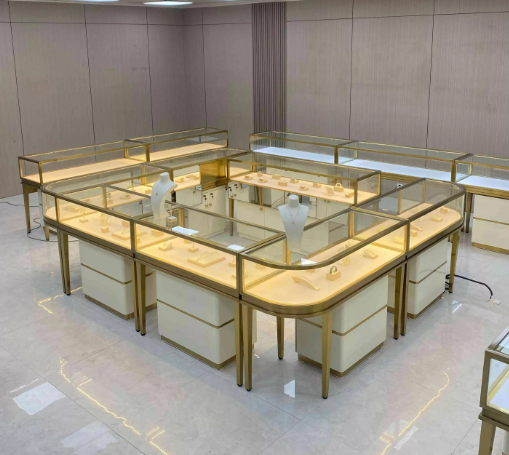
Jewelry showcases for retail shops are more than just displays; they're powerful sales tools. They captivate and engage customers, turning browsing into buying. Creative counter showcase designs are essential for attracting attention and enhancing the shopping experience. In this post, you'll learn how visual merchandising can transform your jewelry store, captivating customers at eye level and boosting sales.
Thematic displays transform jewelry showcases from simple presentations into immersive experiences. They capture attention by weaving a story around the pieces. For example, a "Boho Summer" theme might feature woven textures, seashell accents, and warm lighting. This invites customers to imagine wearing the jewelry on a sunny beach getaway. Seasonal themes like "Winter Wonderland" use frosted backdrops and snowflake motifs to evoke cozy, festive feelings.
Themes help customers connect emotionally with the jewelry. They see more than just a product—they see a lifestyle or mood. Small signs or cards sharing the inspiration behind the theme deepen this connection. Staff can also share these stories to enhance customer engagement. This approach encourages lingering, browsing, and ultimately, buying.
Stories tap into emotions, a powerful driver in jewelry purchases. Customers often buy jewelry for special moments or memories. Displaying pieces alongside stories about their meaning or craftsmanship creates a personal bond.
For instance, a display might tell the journey of a handcrafted necklace—from design sketches to the final polish. Including photos, artisan bios, or quotes adds authenticity. Emotional storytelling makes the jewelry feel unique and treasured.
Another method is grouping pieces by occasions—wedding, anniversary, or milestone gifts. This guides customers to find jewelry that fits their story. When customers relate to the narrative, they feel more confident in their purchase.
Many retailers use storytelling to great effect. One boutique created a "Nature’s Wonders" collection featuring leaf-shaped pendants and gemstone rings displayed on driftwood and moss. The natural elements reinforced the story, drawing customers in.
Another store used a "Love Stories" theme around Valentine’s Day. Each piece had a short tale about love or commitment, printed on elegant cards. This emotional touch boosted sales and customer satisfaction.
Luxury brands often highlight the craftsmanship behind their pieces. They show sketches, tools, and artisan portraits, emphasizing exclusivity and heritage. This storytelling elevates perceived value and builds brand loyalty.
Incorporating storytelling into jewelry showcases isn't just decoration—it's a strategic tool. It captivates customers, creates emotional resonance, and drives sales.
Natural elements add warmth and authenticity to jewelry displays. Materials like wood, stone, linen, and moss create a rich contrast against sparkling metals and gemstones. For example, a raw wooden slab can serve as a unique base for rings or necklaces, lending an earthy vibe that feels inviting and boutique-like.
Organic textures also help highlight the craftsmanship and natural beauty of the jewelry. Rough bark or smooth pebbles can frame pieces beautifully, making them stand out without overwhelming. These elements add depth and dimension, creating a more tactile and memorable shopping experience.
Switching natural props based on seasons keeps displays fresh and relevant. In autumn, think moss, bark, and dried leaves to evoke a cozy, rustic feel. Spring calls for fresh greenery, soft florals, or even small branches to suggest renewal and growth.
Seasonal rotations not only refresh the look but also connect emotionally with customers. They signal that the store is active and thoughtful about presentation. This approach encourages repeat visits, as customers look forward to new displays that match the mood of the season.
One jewelry boutique created a "Forest Treasures" display using driftwood, moss, and stones. The natural props complemented leaf-shaped pendants and gemstone rings, reinforcing the collection’s inspiration and drawing customers in. Sales increased as customers lingered longer, captivated by the immersive setup.
Another retailer rotated natural elements quarterly. In winter, frosted pinecones and white branches framed silver and diamond pieces, creating a "Winter Sparkle" theme. Spring brought pastel flowers and fresh greenery to highlight colorful gemstones. This strategy boosted customer engagement and made seasonal promotions more impactful.
Incorporating natural elements works well for brands that emphasize sustainability or artisanal craftsmanship. It reflects an eco-conscious ethos and adds a handcrafted feel to the display. The key is balance—natural textures should enhance, not compete with, the jewelry.
Tip: Rotate natural display elements seasonally to keep your jewelry showcases fresh, engaging, and emotionally resonant for customers.
Multi-level jewelry showcases transform flat, crowded counters into dynamic, eye-catching displays. They allow you to present more pieces without overwhelming customers. By elevating some items, you create a natural flow that guides the eye upward and across the display. This helps highlight key pieces and encourages customers to explore every level.
Using vertical space also improves visibility—customers don’t have to bend down or peer closely to see everything. It makes the shopping experience more comfortable and engaging. Multi-level setups add dimension and depth, making your collection appear more curated and valuable. Plus, they help separate different types or collections, reducing clutter and confusion.
To design a successful multi-level display, start with tiered risers or stands in varying heights. Use materials that complement your jewelry, such as acrylic risers for a modern look or wooden blocks for a rustic vibe. Arrange taller pieces or statement items on the highest levels to draw attention immediately.
Place smaller or delicate items on lower tiers where customers can easily reach and examine them. Keep spacing consistent to avoid overcrowding. Use color contrasts between tiers or backgrounds to make each level distinct.
Incorporate angled platforms or slanted trays to improve visibility from different angles. Layering items thoughtfully prevents pieces from hiding behind one another. Lighting plays a crucial role—add small spotlights or LED strips on upper tiers to highlight hero pieces and create sparkle.
Avoid overcrowding by limiting the number of items per tier. This keeps the display elegant and focused. Consider using mirrored bases to reflect light and add a sense of luxury.
Vertical displays capture attention because they break the monotony of flat counters. They invite customers to look up and around, creating a more immersive browsing experience. By using the entire height of your showcase, you can tell stories or group items by theme or occasion across levels.
For example, top tiers could showcase new arrivals or featured collections, while lower levels hold complementary pieces. This layered approach encourages customers to linger longer, exploring the entire display.
Vertical space also allows for interactive elements like hanging pendants or bracelets on hooks above the tiers. This adds movement and tactile engagement. Customers enjoy trying on pieces displayed at eye level or slightly above.
Finally, multi-level arrangements help staff organize inventory efficiently and restock without disturbing the entire display. It creates a seamless shopping experience that feels both inviting and luxurious.
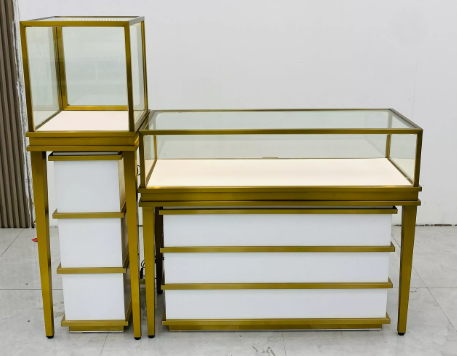
Using vintage or everyday items in jewelry displays adds unexpected charm and personality. Think beyond standard trays and stands. Old teacups can cradle delicate rings, while vintage picture frames transform into unique earring holders. Even a wine bottle can become a chic bangle stand. These repurposed objects bring a story to your display, making it feel curated rather than generic.
This approach also taps into sustainability trends. Reusing items reduces waste and appeals to eco-conscious shoppers. Plus, vintage pieces often carry a nostalgic vibe that creates warmth and familiarity. When customers spot these creative touches, they linger longer, exploring the details and imagining the jewelry in real life.
Unique displays spark curiosity, encouraging customers to stop and explore. When jewelry is presented in unexpected ways, it invites closer inspection. For example, a set of rings displayed inside an antique book or bracelets hung from a rustic ladder can surprise and delight visitors.
This element of surprise makes the shopping experience memorable. Customers may even share photos on social media, increasing your store’s visibility. Interactive setups, such as jewelry displayed on everyday objects that customers can touch or move, boost engagement further.
Uniqueness also helps differentiate your store in a crowded market. While many retailers rely on similar display styles, creative use of objects shows your brand’s personality and attention to detail. It signals that your jewelry is special and worth exploring.
● Vintage Teacups & Saucers: Perfect for showcasing rings or small earrings. The delicate patterns contrast beautifully with shiny metals and stones.
● Picture Frames: Convert them into hanging boards for earrings or necklaces by adding hooks or mesh. This adds height and visual interest.
● Old Books: Stack antique books to create a tiered platform for bracelets or watches. The aged paper and covers add texture and history.
● Wine Bottles & Glassware: Use bottles to display bangles or bracelets by sliding them over the neck. Glassware like bowls or vases can hold loose charms or pendants.
● Rustic Wooden Crates: Stack crates to create multi-level displays that feel warm and approachable. They work well for boho or artisanal jewelry collections.
These ideas transform jewelry counters into storytelling stages. They invite customers to connect emotionally and explore more deeply. The key is balance—ensure the objects complement the jewelry without overshadowing it.
Lighting plays a vital role in jewelry displays. It can make pieces sparkle, highlight details, and create an inviting atmosphere. There are several types of lighting to consider:
● LED Spotlights: These are perfect for focusing on specific pieces. They produce bright, clean light without much heat, preserving delicate jewelry.
● Under-Shelf Lighting: LED strips placed under shelves add a soft glow that enhances sparkle without glare.
● Ambient Lighting: General lighting sets the mood in the store. Warm tones create a cozy feel, while cooler tones can give a modern, sleek vibe.
● Accent Lighting: Small, directed lights emphasize key areas or new collections, guiding customers’ eyes naturally.
● Natural Lighting: When possible, use daylight to reveal true colors and brilliance. Position displays near windows but avoid harsh direct sunlight that can damage jewelry.
Choosing the right combination depends on your store's style and the jewelry types you carry. For example, warm LED lights highlight gold tones beautifully, while cooler lights enhance diamonds and silver.
Lighting affects how customers perceive jewelry's value and appeal. Proper illumination makes gemstones sparkle and metals shine, which draws attention and creates desire. Dim or uneven lighting can dull the beauty of pieces, causing customers to overlook them.
Good lighting also improves the overall shopping experience. It helps customers see details clearly and imagine how jewelry looks when worn. This clarity builds confidence, making buyers more likely to commit.
Lighting can influence mood too. Bright, sparkling lights energize shoppers, encouraging exploration. Softer, warmer lights create intimacy, ideal for luxury or bridal collections. The right lighting supports your brand image—luxurious stores often use subtle, focused lights, while trendy shops might opt for vibrant, colorful effects.
● Use Adjustable Spotlights: Allow repositioning to highlight new arrivals or promotions easily.
● Avoid Glare and Shadows: Test lighting angles to prevent reflections that obscure jewelry.
● Layer Lighting: Combine ambient, accent, and task lighting for depth and dimension.
● Incorporate Dimmers: Adjust light intensity based on time of day or display needs.
● Maintain Clean Fixtures: Dusty lights reduce brightness and sparkle.
● Match Light Color to Jewelry: Warm lights for gold and rose gold, cool lights for silver and diamonds.
● Consider Energy Efficiency: LED lights save costs and reduce heat buildup.
● Highlight Key Pieces: Use focused lighting on hero products to draw attention.
By thoughtfully planning lighting, you turn your jewelry showcases into captivating stages that invite customers to explore and fall in love with your collection.
Interactive displays bring customers closer to your jewelry. They invite touch, exploration, and discovery. For example, touchscreen kiosks can show detailed images, videos of craftsmanship, or styling tips. Customers can scroll through collections, zoom in on pieces, or even see how jewelry looks on different skin tones or outfits.
Try-on stations with adjustable mirrors and clean trays encourage customers to physically engage with pieces. This hands-on experience builds emotional connections and confidence in buying. Interactive setups also boost dwell time, increasing chances of purchase.
Digital elements like QR codes link to product stories or care instructions, blending physical and online shopping. This tech-savvy approach appeals especially to younger shoppers who expect seamless experiences.
Rotating spotlight displays add movement and focus to your jewelry presentation. A rotating platform slowly turns, showcasing multiple pieces under targeted lights. This motion naturally draws eyes, making even small items stand out.
Spotlights highlight sparkle and detail, emphasizing quality and craftsmanship. The rotation creates a dynamic vibe, breaking static display monotony. It also allows customers to see jewelry from all angles without handling it, reducing wear and tear.
Such displays work well for high-value or featured collections. They create a mini-showcase effect, making pieces feel exclusive and special. Plus, the gentle rotation invites customers to pause and watch, increasing engagement.
Technology transforms jewelry retail beyond traditional counters. Augmented reality (AR) mirrors let customers virtually try on rings, necklaces, or earrings without physical contact. This innovation is hygienic, fun, and convenient.
Mobile apps can sync with in-store displays, offering personalized recommendations or loyalty rewards. Tablets at counters provide instant access to inventory, enabling staff to assist customers quickly.
Inventory management systems linked to displays help keep featured pieces in stock and update displays automatically. This reduces manual effort and ensures the store always looks fresh.
Even simple tech like LED screens showing artisan videos or customer testimonials enhances storytelling, creating deeper brand connections.
Creative counter showcase designs are essential for captivating customers in jewelry stores. Incorporating thematic displays, natural elements, and multi-level arrangements enhances engagement and emotional connection. Interactive and rotating displays, combined with strategic lighting, further elevate the shopping experience. Implementing these innovative designs encourages customers to explore and connect with your jewelry pieces. Jinxi Hongzhan Furniture Co., Ltd. offers unique furniture solutions that complement these strategies, providing value through quality craftsmanship and design tailored to enhance your store's appeal and customer satisfaction.
A: A jewelry showcase for retail shop is a display unit designed to present jewelry pieces attractively, enhancing visibility and customer engagement.
A: Thematic displays in a jewelry showcase create immersive experiences by telling stories, connecting emotionally with customers, and encouraging purchases.
A: Incorporating natural elements in a jewelry showcase adds warmth, authenticity, and highlights the craftsmanship of the pieces, enhancing aesthetic appeal.
A: Multi-level jewelry showcases optimize space, improve visibility, and create dynamic displays that guide customer exploration and highlight key pieces.
A: Strategic lighting in a jewelry showcase enhances sparkle, highlights details, and creates an inviting atmosphere, influencing customer perception and engagement.


