
Views: 0 Author: Site Editor Publish Time: 2025-12-12 Origin: Site


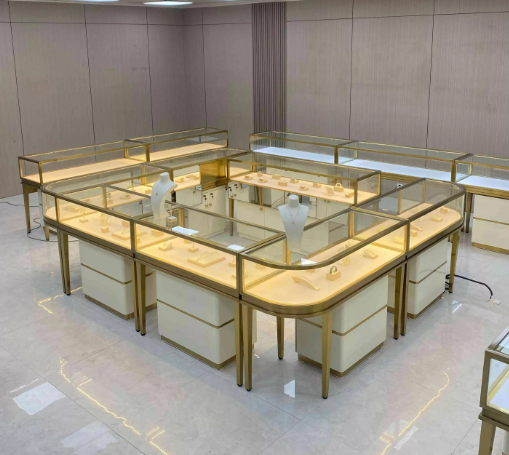
Many homeowners face a persistent conflict: they possess items of significant sentimental or financial value but lack a safe way to enjoy them daily. Leaving these treasures on open shelves often invites dust accumulation, accidental breakage, and visual clutter that disrupts the harmony of a room. The curio cabinet solves this problem by functioning not merely as furniture, but as a specialized vessel designed for preservation and exhibition. Unlike standard storage units that hide contents away, a curio cabinet celebrates them while offering physical protection.
This guide explores the full spectrum of curio usage, ranging from protecting delicate family heirlooms in a residential setting to high-stakes commercial applications like retail merchandising. While often associated with traditional decor, modern interior design is reclaiming the curio cabinet. It is moving beyond the stereotype of "grandma’s china hutch" and evolving into a sleek, essential focal point for contemporary collectors and businesses alike.
Primary Function: Curio cabinets prioritize visibility (often glass on 3+ sides) and protection over bulk storage.
Distinction: Unlike China cabinets (solid sides) or bookcases, curios are designed for 360-degree viewing and light penetration.
Versatility: Uses range from residential styling (LEGOs, antiques) to commercial retail (jewelry, bakery items).
ROI Factors: Investment value lies in dust mitigation, UV protection (if equipped), and elevating the perceived value of the contents.
To select the right furniture for your needs, you must first understand what technically defines a curio cabinet. It is distinct from other storage furniture because its primary engineering goal is visibility rather than capacity. While a dresser hides clutter and a bookshelf supports heavy loads, a curio exists to frame and illuminate specific objects.
A true curio cabinet features a high glass-to-wood ratio. You will typically see glass panels on the front and both sides, allowing light to penetrate the cabinet from multiple angles. This transparency reduces shadows that often obscure items in standard cabinets. Many high-end models include mirrored backs, which reflect light to create an illusion of depth, making the collection appear larger and more brilliant. Internal illumination systems and adjustable glass shelving are also standard, allowing you to customize the display based on the height of your items.
Buyers frequently confuse these two pieces of furniture, yet they serve different roles in a home. The distinction lies in their intended location and structural design.
| Feature | Curio Cabinet | China Cabinet |
|---|---|---|
| Primary Focus | Display and Preservation | Storage and Service |
| Visibility | Glass on front and sides (often 360°) | Solid wood sides; glass only on front doors |
| Structure | Slender, often single-column | Wide, heavy, often with a solid lower buffet |
| Typical Location | Living room, hallway, foyer | Dining room, kitchen |
While the terms are sometimes used interchangeably, the nuance lies in the frame thickness and load capacity. A "display cabinet" is a broader term that may include heavy timber frames or open shelving units. A curio is specifically a glass-enclosed case, often with finer, more delicate framing to minimize visual obstruction. If you are storing heavy hardback books, a standard display cabinet is appropriate. If you are showcasing delicate figurines or jewelry, a curio is the superior choice.
The utility of these cabinets extends far beyond decorative storage. They are active tools for preservation and sales, adapting to both home environments and high-traffic commercial spaces.
Historically, families used these cabinets to safeguard fragile heirlooms. Porcelain figures, crystal stemware, and Swarovski collections require protection from accidental bumps and curious pets. A curio cabinet provides a physical barrier that allows these items to be admired without the risk of handling. It also serves as a designated safe zone for high-value collectibles like first-edition books or autographed sports memorabilia, preventing oils from human hands from degrading the materials over time.
Interior design has shifted, and the contents of these cabinets have evolved. We now see the rise of the "Museum at Home." Collectors use modern, minimalist curios to house extensive sneaker collections, high-fidelity model cars, or elaborate LEGO sets. The cabinet elevates these items from "toys" to art pieces.
Another surging trend is the "Green House" concept. Plant enthusiasts are converting glass metal cabinets into indoor greenhouses. By adding weather stripping and grow lights, they create humidity-controlled environments perfect for rare tropical plants that would struggle in dry air-conditioned rooms. This "IKEA cabinet hack" trend demonstrates the curio's versatility.
In the business world, the curio concept is adapted for security and sales psychology. The transparency that showcases a grandmother's china is the same mechanism used to sell high-ticket merchandise.
Jewelry Merchandising
Retailers rely on the Jewelry Display Cabinet to balance accessibility with strict security. Unlike residential units, these commercial curios feature reinforced glass and high-grade locking mechanisms. They are often waist-high (counter style) or vertical towers designed to catch the eye at eye level. The lighting in these units is calibrated to a specific color temperature (often cool white) to make diamonds and precious metals sparkle, directly influencing purchase decisions.
Food Service Applications
The principles of the curio also apply to the culinary world. A Bakery Display Cabinet acts as a specialized curio for food. Whether ambient or refrigerated, these units focus on hygiene and appetite appeal. They protect pastries from airborne contaminants and customers' breath while using angled shelves and warm lighting to enhance the texture of bread and cakes. Here, the cabinet is a silent salesperson, proving that "people eat with their eyes first."
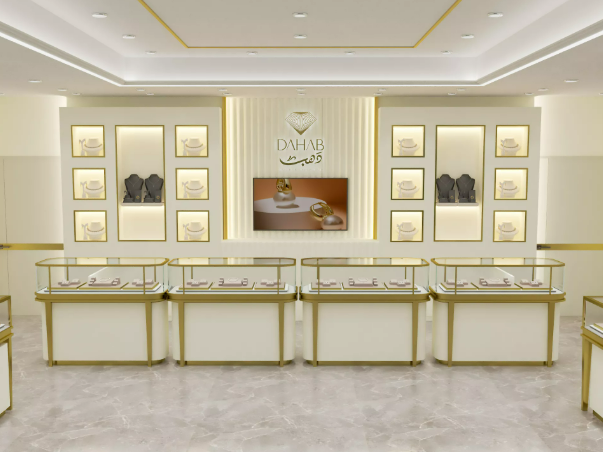
Choosing to house items in a cabinet rather than on an open shelf offers measurable returns on investment, particularly regarding the longevity of the items.
Dust Control is the most immediate benefit. Dust is not just unsightly; it is abrasive and hygroscopic, meaning it attracts moisture that can damage delicate surfaces. By sealing items in a cabinet, you significantly reduce the frequency of cleaning required. Less cleaning means less handling, which lowers the statistical probability of accidental breakage.
Security is another factor. Many curios come with locking doors. In a home, this deters small children from accessing dangerous or fragile items. In a retail setting, it prevents theft. Furthermore, advanced cabinets offer UV Filtering. Standard glass blocks some UVB rays, but specialized UV-coated glass is available to prevent fading in textiles, watercolor paintings, or autographed documents exposed to ambient sunlight.
A curio cabinet introduces verticality to a room. It draws the eye upward, creating a focal point without occupying a large floor footprint. This makes them ideal for apartments or smaller rooms where floor space is at a premium. Additionally, the integrated lighting allows you to control the ambiance of a room. In the evening, a lit curio cabinet can serve as a sophisticated mood light, highlighting your collection while the rest of the room remains dim.
Selecting the correct cabinet requires a technical assessment of your collection and the space available. Do not buy based on style alone; mechanics matter.
Shelf Weight Ratings are the most critical specification to check. Glass shelves are tempered for safety but have limits. A collection of die-cast cars is significantly heavier than a collection of plush toys. Standard glass shelves may hold 20-30 pounds, while reinforced wood shelves can hold 50+ pounds. Overloading a shelf can lead to catastrophic failure.
Consider the Footprint vs. Volume ratio. If you have a tight space, a corner cabinet utilizes "dead" space effectively while providing deep storage. Wall-mounted consoles are excellent for smaller collections but require secure anchoring into wall studs.
How you access your items affects the cabinet's placement.
Front-Sliding Doors: These are excellent for narrow hallways or tight retail aisles because they do not require swing space.
Side-Entry Doors: These offer a cleaner front view (no handle or seam in the middle) but require clearance on the sides of the cabinet. They are difficult to place in alcoves.
Lighting Ecosystems also vary. Older cabinets use halogen bulbs, which run very hot. This heat can damage delicate plastics or dry out antique wood. Modern cabinets use LED systems, which are cool to the touch, energy-efficient, and often dimmable.
Examine the construction materials. Solid hardwoods offer longevity and can be refinished, whereas veneers are cost-effective but susceptible to peeling if chipped. For safety, ensure the glass is tempered. If an accident occurs, tempered glass shatters into small, blunt cubes rather than jagged, dangerous shards. This is non-negotiable for households with children or commercial spaces with public access.
Once you have acquired the cabinet, strategic placement and curation determine the final visual impact.
Avoid placing your cabinet in direct sunlight. Even with UV-protected glass, thermal fluctuation can cause wood to expand and contract, potentially loosening joints or cracking veneers over time. Furthermore, consider traffic flow. Placing a tall, glass-heavy cabinet in a high-traffic hallway invites vibration risks. Every footstep vibrates the floorboards; over years, this can cause items to "walk" toward the edge of shelves. Use museum wax to anchor lightweight items if you must place the cabinet near a walkway.
The "Less is More" Rule applies strictly here. Overcrowding a curio cabinet turns a display into storage. Negative space (empty space) around an object signals that the object is important. If you pack items too tightly, their perceived value drops.
Layering is a technique used by professional merchandisers. Use clear acrylic risers to elevate items in the back row. This maximizes the vertical space between shelves and ensures rear items remain visible. Finally, maintain Thematic Consistency. Group items by color palette, historical era, or material. A shelf dedicated to "blue porcelain" looks curated; a shelf with a mix of porcelain, action figures, and sea shells looks chaotic.
The curio cabinet remains a vital piece of furniture because it bridges the gap between protection and presentation. It transforms a collection of objects into a cohesive visual story while safeguarding them from the environment. Whether you are installing a high-security Jewelry Display Cabinet in a boutique or arranging a vintage LEGO collection in a living room, the core principle remains the same: the cabinet honors the contents.
Your decision should be driven by the value of the items you are storing. Assess the weight, sensitivity to light, and physical dimensions of your collection first. By selecting a cabinet with the right lighting, shelf capacity, and access style, you ensure your treasures remain safe, clean, and admired for years to come.
A: The main difference is visibility and structure. A curio cabinet typically features glass panels on the front and sides (and often a mirrored back) to allow 360-degree viewing of decorative items. A china cabinet is generally larger, heavier, and designed for dining rooms. It usually has solid wood sides and a solid lower section (buffet) for storing heavy dishes and linens, with glass display doors only on the upper half.
A: Weight capacity varies significantly by material. Standard tempered glass shelves usually hold between 20 to 30 pounds per shelf. Heavy-duty glass or reinforced wood shelves can support 50 pounds or more. Always check the manufacturer’s specific weight rating before loading heavy items like die-cast models, large geodes, or extensive book collections to prevent shelf failure.
A: It depends on the cabinet's construction. Most standard curio cabinets are designed for lightweight decor, not the dense weight of books. A row of hardbacks can easily exceed 40 pounds. If you want to store books, look for a cabinet with solid wood shelving or a "display cabinet" specifically rated for heavy loads. Glass shelves are generally unsuitable for a full library display.
A: Built-in curio cabinets can add intrinsic value by providing integrated storage, but freestanding cabinets do not increase property value directly. However, in terms of interior design, a well-placed curio adds perceived value by reducing clutter and creating a focal point. High-quality antique or solid wood cabinets also retain good resale value in the furniture market compared to particleboard alternatives.
A: For the exterior wood, use a microfiber cloth and a wood-specific cleaner. For the glass, spray an ammonia-free cleaner onto the cloth, not directly on the glass, to prevent liquid from seeping into the wooden frame or joints. Inside, remove items before cleaning shelves to avoid accidents. Use a soft brush or compressed air to dust intricate collectibles before returning them to the shelves.


