
Views: 0 Author: Site Editor Publish Time: 2026-06-24 Origin: Site


A high-end retail environment relies on pristine visual presentation to capture customer attention. The fixtures holding your merchandise play a crucial role in closing sales. A premium jewelry showcase acts as a dual-purpose asset. It serves as your primary visual merchandising tool while acting as the frontline security perimeter for high-value inventory.
Neglected maintenance degrades optical clarity and compromises vital thermal management. Poor upkeep also accelerates mechanical wear on security hardware. These combined issues ultimately diminish the perceived value of the exquisite jewelry inside. When display cases look dull or dusty, discerning buyers immediately notice. This subtle degradation signals a lower overall product value.
You must establish a standardized, risk-averse maintenance protocol to protect your capital investments. This strategy ensures optimal presentation day after day. In this guide, you will learn specific cleaning techniques, critical security hardware checks, and how to identify when an aging unit poses a functional liability to your retail operation.
Optical Clarity: Routine use of ammonia-free, pH-neutral agents prevents irreversible micro-abrasions on specialized anti-reflective glass.
Thermal Control: Dust extraction from LED heat sinks is critical to prevent thermal damage to heat-sensitive gemstones and prolong lighting lifespan.
Security Integrity: Mechanical hinges and smart-lock contacts require quarterly audits to ensure compliance with retail insurance standards.
Total Cost of Ownership: Tracking maintenance frequency helps determine the exact threshold where upgrading to a custom luxury jewelry display cabinet becomes more cost-effective than continuous repairs.
Retailers often underestimate the direct correlation between fixture maintenance and revenue generation. Proper care mitigates the degradation of premium materials. High-end showcases utilize specialized components like low-iron glass, brushed brass, and genuine leather inserts. Routine maintenance extends the functional life of these materials. You preserve the initial aesthetic impact of the fixture. This proactive approach prevents premature dulling and structural fatigue.
Presentation directly influences buyer psychology. Smudges on the glass, dim lighting, and dusty interiors subtly signal lower value. Discerning buyers expect a flawless environment when purchasing luxury goods. Minor visual imperfections break the illusion of exclusivity. These flaws directly impact high-ticket conversion rates. Every premium Jewelry Display Cabinet requires daily attention to maintain this illusion. A pristine environment builds immediate trust. It reassures the customer they are making a premium investment.
Beyond aesthetics, rigorous maintenance supports robust risk management. High-value retail operations face constant shrinkage threats. Routine inspection of security points minimizes these risks. Checking locks, hinges, and sensors ensures you maintain compliance with strict jewelry insurance underwriting requirements. Insurance providers often deny claims if they discover neglected security hardware. Regular audits prove your commitment to operational security. They protect your inventory and your liability standing.
Using the wrong cleaning agent causes irreversible damage. Standard janitorial supplies often ruin specialized optical coatings and delicate metal finishes. You must tailor your cleaning approach to the specific materials used in your fixtures. Implementing precise protocols protects your investment over time.
Modern luxury showcases utilize low-iron glass treated with anti-reflective coatings. These coatings minimize glare and maximize gemstone visibility. You must use strictly ammonia-free cleaners. Apply the solution using seamless microfiber cloths. Standard paper towels contain abrasive wood fibers. These fibers create microscopic scratches over time.
Harsh chemicals strip optical coatings. They interact negatively chemically, creating a permanent cloudy film. This film distorts gemstone brilliance and ruins the viewing experience. Always spray the cleaner onto the microfiber cloth first. Never spray directly onto the glass. Direct spraying forces liquid into the metal seams and degrades the structural silicone.
Showcase frameworks feature various high-end metals. Brass, stainless steel, and anodized aluminum require distinct care strategies. Apply non-abrasive, pH-neutral polishes exclusively. Avoid acidic solvents completely. Acidic cleaners strip protective clear-coat lacquers. Once the lacquer fails, the underlying metal oxidizes rapidly.
For brushed finishes, always wipe parallel to the grain. Circular wiping motions create permanent swirl marks. Fingerprints contain natural oils. These oils etch into untreated metals if left for extended periods. Staff should wipe down metal trims daily using dry, clean microfiber cloths to remove these reactive oils.
The interior baseboards of luxury showcases often feature premium fabrics. Leather, suede, and velvet provide a high-contrast background for diamonds and gold. Utilize low-suction vacuums equipped with soft brush attachments. This method removes settled dust without pulling or tearing the fabric fibers.
Avoid liquid spot-cleaners entirely. Liquid cleaners increase the ambient humidity inside the enclosed case. Elevated interior humidity accelerates silver tarnish and damages delicate watch dials. If a stain occurs on leather, use a lightly damp, specialized leather chamois. Dry the area immediately.
To standardize your team's approach, follow this material care chart:
Material Type | Recommended Action | Strictly Avoid |
|---|---|---|
Anti-Reflective Glass | Ammonia-free spray on seamless microfiber | Paper towels, ammonia, direct spraying |
Brushed Brass/Steel | pH-neutral polish, wiping parallel to grain | Acidic solvents, abrasive pads, circular wiping |
Leather/Velvet Inserts | Low-suction vacuum with soft bristle brush | Liquid shampoos, high-heat drying, wet wipes |
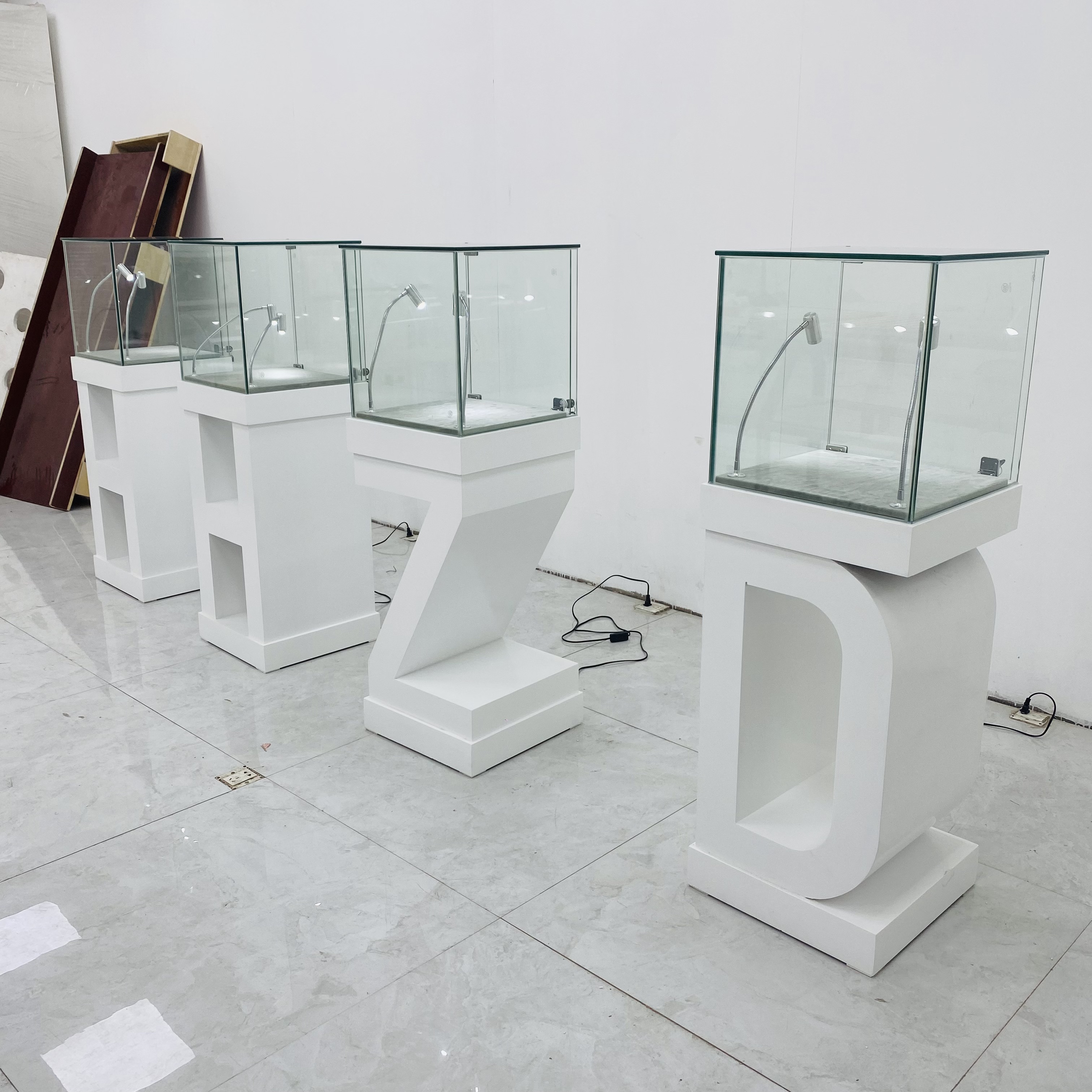
Illumination defines the jewelry retail experience. Lighting draws out the fire in diamonds and the rich hues in colored stones. However, high-intensity lighting generates localized heat. Managing this thermal output is essential for both component longevity and merchandise safety.
Modern LED systems run cooler than legacy halogens. They still require active thermal management. LED diodes generate heat at their base. Heat sinks draw this thermal energy away from the diode. Inspect and clear dust from ventilation channels quarterly. Dust acts as an insulating blanket. It traps heat and causes the diodes to overheat.
Excessive heat buildup degrades diode lifespan rapidly. It causes color-shifting in the lighting. Crisp daylight-white LEDs shift toward a dull yellow or green hue as they burn out. This color shift ruins the presentation of platinum and diamonds.
Furthermore, trapped heat damages sensitive merchandise. It draws natural moisture out of delicate organic gems. Opals crack or craze under prolonged heat exposure. Pearls lose their luster and become brittle. Emeralds, often treated with oils, dry out and show internal inclusions more visibly.
Continuous daily operation stresses electrical components. Audit low-voltage wiring pathways regularly. Look for signs of fraying, discoloration, or heat stress. Older cabinets operating continuously during business hours face higher risks of transformer failure. A failing transformer often emits a faint buzzing sound. Train your staff to listen for this audio cue during quiet morning hours.
Monitor your lighting systems for the following warning signs:
Flickering or strobing effects across specific LED strips.
Inconsistent color temperatures between adjacent showcases.
Transformers feeling excessively hot to the touch.
Brittle or discolored wire casings near the heat sinks.
A showcase serves as a protective vault during business hours. Mechanical failures compromise this vital function. Daily use creates friction. Friction leads to mechanical wear. You must implement routine structural audits to maintain a secure environment.
Check pneumatic hinges and sliding tracks for smooth operation. Staff open and close these doors dozens of times daily. Friction-free operation prevents sudden jolts. Jolting a heavy glass door stresses the structural adhesive. Over time, this stress leads to catastrophic glass failure. Lubricate sliding tracks using dry silicone sprays. Avoid oil-based lubricants. Oils attract dust and create a sticky residue.
Inspect the silicone gaskets outlining the door frames. Worn gaskets allow ambient dust to bypass the seal. They also allow ambient humidity to enter the case. A compromised seal accelerates silver tarnish and forces you to clean the interior more frequently. Failing tracks increase the risk of accidental glass impacts by staff. Ensure all soft-close mechanisms engage properly.
Security locks require meticulous attention. Test physical keyways for torque resistance. If a key feels stiff or grinding occurs, the internal tumblers require dry graphite lubrication. Do not force stiff locks. A broken key inside a locking cylinder halts retail operations immediately.
Many modern cases utilize biometric or RFID smart locks. Clean the optical and RFID sensors weekly. Use a soft, dry cloth. Dust buildup on optical sensors prevents instant engagement. You need fail-safe, instant locking during a high-stress security event. Test the battery backups for electronic locks quarterly.
Implement this quarterly security hardware audit workflow:
Test all keys in physical lock cylinders for smooth turning action.
Inspect the perimeter of door gaskets for cracks, shrinking, or tearing.
Clean all electronic sensor plates and test backup battery systems.
Open doors to their maximum extension to check pneumatic hinge resistance.
Verify track alignment by checking for uneven gaps along sliding glass panels.
Every fixture eventually reaches the end of its functional lifecycle. Continuous patching of failing hardware disrupts your retail operations. It also projects a chaotic image to your clientele. You must evaluate when a cabinet transitions from a productive asset to an operational liability.
Certain types of degradation cannot be reversed through basic maintenance. Use a strict evaluation framework. Structural framing warps over time due to uneven floor settling or extreme temperature fluctuations. Warped frames prevent doors from sealing correctly. Optical glass coatings eventually fail after years of chemical exposure. Once the glass becomes permanently cloudy, you cannot polish it clear. If security mechanisms require repeated servicing, the case is no longer safe.
When you notice these irreversible signs, the unit compromises your baseline presentation standards. A showcase with a failed lock or cloudy glass active hurts your brand reputation. It deters high-value clients from making serious inquiries.
When maintenance frequency disrupts your daily operations, it is time to consult an expert. Minor repairs distract staff from serving clients. Evaluate modern solutions by partnering with a specialized Display Cabinet Manufacturer. They design fixtures built to withstand contemporary retail demands.
Consider upgrading to a custom Luxury Jewelry Display Cabinet. A custom approach allows you to specify exact operational requirements. Modern designs feature integrated climate control systems. These systems actively regulate interior humidity. They protect sensitive organic gems and reduce tarnishing. New units feature hidden high-CRI (Color Rendering Index) lighting. High-CRI lighting reproduces natural daylight, maximizing gemstone brilliance. Furthermore, custom units offer seamless security integration, concealing smart locks within the structural framing for a cleaner aesthetic.
Diligent maintenance of your jewelry showcase preserves optical brilliance and safeguards delicate inventory. Following a structured care routine protects the delicate ecosystem inside your fixtures. Proper glass care, thermal management, and mechanical audits maximize the lifespan of your retail infrastructure. You project an image of flawless luxury to every customer who walks through your doors.
Do not wait for hardware to fail before taking action. Audit your current display fixtures using this protocol today. Inspect your glass for micro-abrasions and test your locking mechanisms. If your current units are failing to meet baseline presentation or security standards, schedule a consultation with an expert manufacturer. Exploring engineered custom solutions will elevate your retail environment and secure your high-value inventory for the future.
A: Surface glass should be spot-cleaned daily. A comprehensive deep clean should be conducted quarterly. This quarterly routine must include vacuuming tracks, clearing LED heat sinks, and brushing interior fabrics. Regular deep cleaning maintains strict environmental stability and prevents long-term material degradation.
A: A mixture of distilled water and a mild, ammonia-free optical cleaner works best. Standard commercial glass cleaners often contain harsh solvents. These solvents permanently damage specialized anti-glare coatings, leaving a cloudy residue that distorts the brilliance of your jewelry.
A: Ensure the cabinet's silicone gaskets are fully sealed to limit ambient humidity. Avoid wet-cleaning the interior fabric. Consider integrating discreet silica desiccants. Alternatively, you can specify actively climate-controlled cases from your display cabinet manufacturer to regulate interior moisture automatically.
A: Often, yes. However, upgrading to high-CRI (Color Rendering Index) lighting requires careful evaluation. You must ensure the existing cabinet has adequate thermal ventilation. High-CRI diodes generate specific thermal loads. Proper ventilation supports the new diodes without overheating the interior and damaging delicate gems.


