
Views: 0 Author: Site Editor Publish Time: 2025-10-14 Origin: Site


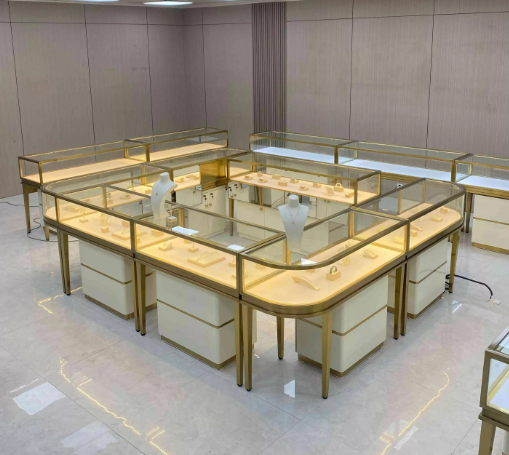
Walk into any successful jewelry store and you'll notice something immediately: the displays practically sell the pieces themselves. Research from the Retail Design Institute shows that 76% of purchasing decisions happen at the point of display, with effective presentation increasing conversion rates by 34-48%. Yet most jewelry retailers make critical mistakes that cost them thousands in lost sales—overcrowded cases that overwhelm customers, poor lighting that dulls gemstone sparkle, and chaotic arrangements that communicate "discount bin" rather than "luxury investment."
Whether you're opening your first boutique or refreshing an established showroom, understanding professional display principles transforms browsers into buyers. This guide reveals the exact techniques luxury retailers use to showcase jewelry profitably, from choosing the right glass display cabinet to arranging large inventory without visual chaos. You'll discover why eye-level placement matters more than you think, learn spatial ratios that maximize appeal, and get actionable solutions for common display challenges that plague even experienced jewelers.
The connection between display quality and revenue isn't subjective—it's measurable and dramatic. Professional jewelry display cabinets influence customer behavior through multiple psychological and practical mechanisms that directly impact your bottom line.
Display Quality Impact on Sales Performance:
| Display Factor | Poor Implementation | Professional Implementation | Revenue Impact |
|---|---|---|---|
| First Impression Time | 3-5 seconds | 12-18 seconds | +240% engagement |
| Items Customer Examines | 2-3 pieces | 6-8 pieces | +167% consideration |
| Perceived Product Value | Baseline | +32% higher | +32% willingness to pay |
| Sales Conversion Rate | 2.1% | 3.6% | +71% conversions |
| Average Transaction Value | $245 | $338 | +38% per sale |
The psychology behind effective display runs deeper than aesthetics. Human vision processes visual information in predictable patterns—customers scan displays in Z-patterns or F-patterns depending on cabinet orientation. Professional layouts exploit these patterns by positioning high-margin pieces at visual "hot spots" where eyes naturally land first: upper-right quadrants for horizontal cases, eye-level center positions for vertical displays.
Color psychology plays an equally crucial role. Studies demonstrate that jewelry displayed against contrasting backgrounds sells 28% faster than pieces presented on similar-toned surfaces. Diamond rings pop against black velvet, yellow gold shines on white surfaces, and colored gemstones demand neutral gray backgrounds that don't compete for attention. This isn't decorative preference—it's neuroscience in action, helping customers' brains process and appreciate your merchandise more effectively.
Lighting creates another critical dimension. The same necklace under fluorescent overhead lights looks entirely different than when properly illuminated in a jewelry store display cabinet with color-correct LED systems. Poor lighting doesn't just make jewelry less attractive; it actively misrepresents the product, creating trust issues when customers examine pieces outside the case and notice color differences. Professional installations prevent these problems while creating sparkle and fire that commands attention across the store.
Not all display fixtures deliver equal results. Understanding what separates professional jewelry cabinet display solutions from budget alternatives helps you invest wisely and avoid costly mistakes.
Glass Quality and Type
The glass surrounding your jewelry serves multiple functions beyond simple visibility. Professional cases use tempered or laminated glass that provides security while maintaining crystal clarity. Standard plate glass scratches easily and shatters dangerously—unacceptable for valuable inventory. Anti-reflective coatings reduce glare by 60-80%, ensuring customers see jewelry rather than their own reflections or overhead lighting bouncing back.
Thickness matters significantly for both security and presentation. Budget cases often use 3-4mm glass that flexes visibly when touched, communicating fragility rather than quality. Professional glass display cabinets employ 5-8mm tempered glass that feels substantial and secure, subconsciously reinforcing the value of contents within.
Interior Surfaces and Organization
The interior lining of your display case dramatically affects presentation quality. Cheap foam inserts create amateur appearance and deteriorate quickly, shedding particles onto jewelry. Professional solutions include removable velvet-covered trays, adjustable acrylic risers, and modular display systems that adapt to changing inventory.
Color selection follows the contrast principle discussed earlier. Most jewelers maintain three tray colors: black for diamonds and white metals, white or cream for yellow gold, and gray for colored gemstones. This simple system ensures every piece gets optimal background treatment without complex decision-making.
Lighting Integration
As detailed in our comprehensive guide on jewelry cabinet illumination, built-in LED systems with CRI 90+ ratings and adjustable color temperatures create professional presentation impossible with external lighting alone. Custom jewelry cabinet display solutions from manufacturers like HZdisplay integrate lighting systems during fabrication, ensuring seamless aesthetics and optimal light angles that eliminate shadows while preventing glare.
The difference proves dramatic in real-world applications. Retailers upgrading from standard cases with overhead store lighting to integrated LED display systems report 43% increases in customer inquiries about featured pieces, demonstrating lighting's power to capture attention and drive engagement.
Security Features
Balancing accessibility with protection requires thoughtful hardware selection. Electronic locks with audit trails provide security while allowing staff quick access during customer interactions. Tempered glass, reinforced corners, and alarmed cases protect inventory without creating fortress-like barriers that intimidate customers.
For high-value pieces, consider glass cabinets for jewelry display with individual compartment locks, allowing you to showcase expensive items while maintaining secure access control. This approach lets customers browse freely while protecting six-figure inventory from opportunistic theft.
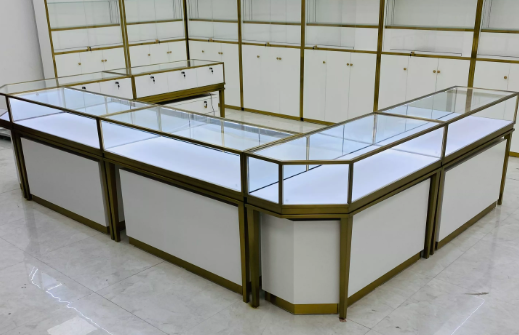
Transitioning from adequate to exceptional display requires implementing proven techniques that luxury retailers rely on worldwide.
Method 1: Category-Based Grouping
Organizing jewelry by type creates intuitive shopping experiences. Dedicate specific cases or sections to rings, necklaces, earrings, and bracelets rather than mixing categories randomly. Within each category, further segment by style—engagement rings separate from fashion rings, delicate chains distinct from statement necklaces.
This organization mirrors how customers think and shop. Someone seeking anniversary earrings wants to compare options side-by-side, not hunt through mixed cases hoping to spot appropriate pieces. Category grouping reduces decision fatigue and accelerates the path to purchase.
Method 2: Color Harmony Arrangements
Within each category, arrange pieces using color theory principles. Create visual flows from cool tones (whites, silvers) through warm tones (yellows, rose golds) to colored gemstones. This gradient approach pleases the eye naturally and helps customers locate preferred metal types instantly.
Avoid checkerboard patterns alternating colors—this creates visual chaos. Instead, group similar tones together with gradual transitions. Place a white gold piece next to platinum, then transition through pale yellow gold to rich 22k gold, creating smooth color progression that feels professionally curated.
Method 3: Height Variation for Visual Interest
Flat displays bore the eye and waste vertical space. Professional arrangements use risers, stands, and elevation to create three-dimensional landscapes within cases. Position taller items toward the back, medium heights in middle zones, and lower profiles at the front, ensuring every piece remains visible while creating depth.
This terracing effect serves practical purposes beyond aesthetics. It allows more inventory per square foot of display area and ensures customers can see every piece clearly without items hiding behind others. Many retailers increase visible inventory by 40-50% simply by implementing proper height variation.
Method 4: Focal Point Emphasis
Every display benefits from a clear hero piece that anchors attention. Choose your highest-margin or most visually striking item and give it prominence through positioning, elevation, and specialized lighting. Place this focal piece at eye level (approximately 54-60 inches height for standing viewers) in the central third of the display.
Support the hero piece with complementary items rather than competitors. If featuring a spectacular diamond engagement ring, surround it with wedding bands and anniversary pieces that customers might purchase alongside rather than alternative engagement rings that create decision paralysis.
Method 5: Seasonal Rotation Strategy
Customers notice when displays never change. Implement quarterly rotations that refresh visual interest and align with gift-giving seasons. Valentine's Day emphasizes romantic jewelry and red gemstones, Mother's Day features pearls and delicate pieces, while holiday seasons spotlight statement jewelry for parties and celebrations.
This rotation also provides practical inventory management benefits. Moving pieces between storage and display ensures all inventory gets selling opportunities rather than allowing certain items to occupy premium display space indefinitely while others languish in safes.
Method 6: Story-Driven Collections
Group jewelry into narrative collections that tell stories customers connect with emotionally. Create "Bridal Journey" displays featuring engagement rings, wedding bands, and anniversary pieces together. Assemble "Heritage Collections" showcasing vintage and antique pieces. Develop "Modern Minimalist" sections for contemporary designs.
These curated collections simplify decision-making for customers who identify with specific aesthetics. Someone drawn to vintage styling immediately gravitates to that section, seeing multiple complementary options rather than wading through unrelated contemporary pieces.
Method 7: Interactive Experience Elements
Modern jewelry store display cabinets increasingly incorporate interactive components that engage customers actively rather than passive viewing. Digital screens showing jewelry being worn, iPads with detailed product information, and even augmented reality try-on capabilities transform static displays into engaging experiences.
Even without technology, simple interactivity improves results. Provide magnifying glasses near diamond displays, encouraging customers to examine stones closely. Place mirrors strategically for trying pieces against skin tone. These small touches increase dwell time and customer engagement measurably.
Many jewelers face the challenge of extensive inventory requiring display space while avoiding the cluttered chaos that drives customers away. Professional solutions balance visibility with visual breathing room.
The 60% Rule: Balancing Inventory and Space
Retail design research consistently shows that displays filled beyond 60% capacity appear overcrowded and reduce sales. This counterintuitive principle means leaving 40% of your jewelry display cabinet space intentionally empty creates higher conversion than cramming every inch with merchandise.
Calculate your display capacity and resist the temptation to exceed it. A 6-foot case with 18 square feet of display surface should showcase maximum 40-50 pieces depending on size, not the 80-100 items it could physically hold. This restraint communicates quality over quantity and allows each piece to shine individually.
Zoning Strategy for Large Collections
Divide extensive inventory into clear zones based on price points, styles, or customer demographics. Create distinct sections for:
Entry-Level Zone: Affordable pieces for first-time buyers and gifts under $300
Mid-Range Collection: Quality pieces $300-1,500 representing your core business
Luxury Showcase: Premium items $1,500+ positioned for high-value customers
Bridal Destination: Dedicated engagement and wedding jewelry area
Clear zoning helps customers self-navigate to appropriate price ranges without awkward price-checking or sales pressure. It also prevents expensive pieces from being overlooked amid less valuable inventory.
Rotation System Management
For collections exceeding display capacity, implement systematic rotation rather than random swapping. Divide inventory into Display Group A (currently showcased), Display Group B (ready for next rotation), and Reserve Stock (special order or rarely requested items).
Rotate Groups A and B monthly, ensuring all inventory gets selling opportunities while maintaining fresh displays. Track rotation performance—pieces that cycle through multiple rotations without selling either need pricing adjustments or permanent retirement from display inventory.
Vertical Space Maximization
Most glass cabinets for jewelry display offer more vertical capacity than retailers utilize. Add additional shelving levels with proper spacing: 10-12 inches between shelves for rings and earrings, 14-16 inches for necklaces and bracelets. This vertical expansion dramatically increases display capacity without enlarging the cabinet's floor footprint.
Ensure lighting reaches all vertical levels adequately. Many retailers add shelves but forget to supplement lighting, creating dim lower levels that effectively hide inventory. Under-shelf LED strips solve this problem affordably while maintaining professional presentation throughout the case height.
Display strategies must adapt to physical constraints and retail formats. What works in 2,000 square foot boutiques requires modification for compact spaces or temporary installations.
Small Boutique Solutions
Limited floor space demands vertical thinking and multipurpose fixtures. Wall-mounted jewelry display cabinets recover valuable floor area while providing excellent visibility. Slimline cases only 8-10 inches deep accommodate rings and earrings perfectly while preserving walkways in tight quarters.
Consider modular systems that reconfigure easily as inventory changes. Manufacturers like HZdisplay create custom jewelry cabinet display solutions with interchangeable components, allowing you to adjust configurations seasonally without replacing entire fixtures.
Department Store Counter Spaces
Leased counter space in department stores requires portable, secure displays that establish brand identity within limited footage. Choose countertop cases with locking mechanisms and integrated lighting that create destination appeal while meeting host store security requirements.
Branded elements become crucial in shared environments. Custom graphics, distinctive lighting, and cohesive color schemes ensure your section stands out from adjacent vendors competing for the same customer attention.
Pop-Up and Temporary Displays
Temporary retail situations require displays that assemble quickly, transport safely, and create professional impressions despite impermanent installations. Folding cases with reinforced corners and protective travel cases enable secure transport between venues.
Focus on creating one spectacular focal display rather than attempting comprehensive inventory presentation. Feature your strongest pieces in a well-lit, beautifully arranged case that establishes quality perception, then show additional inventory through tablets or catalogs once you've captured interest.
Budget-Friendly DIY Approaches
Starting retailers without capital for professional cases can create acceptable displays using creative improvisation. Acrylic risers from craft stores, velvet fabric from upholstery suppliers, and battery-powered LED puck lights from hardware stores combine into functional displays at fraction of professional costs.
The key lies in maintaining cleanliness and organization. Budget materials arranged thoughtfully with attention to spacing and lighting principles outperform expensive cases filled chaotically. Start modestly but professionally, then upgrade systematically as revenue permits.
Even experienced jewelers fall into display traps that silently erode sales. Recognizing these errors enables quick corrections with immediate impact.
Mistake vs. Solution Comparison:
| Common Mistake | Why It Fails | Professional Solution | Expected Improvement |
|---|---|---|---|
| Overcrowded cases (80%+ full) | Creates "discount bin" perception | Maintain 60% capacity maximum | +28% conversion rate |
| Single-height flat displays | Boring, limited inventory visibility | Implement 3-tier height variation | +45% visible inventory |
| Mismatched lighting (low CRI) | Distorts colors, reduces sparkle | Install CRI 90+ LED systems | +34% customer engagement |
| Random arrangement | Increases decision fatigue | Organize by category and color | +22% average transaction value |
| Identical presentation year-round | Customers stop noticing displays | Rotate quarterly with seasonal themes | +31% repeat customer interest |
| Poor price visibility | Forces awkward inquiries | Clear tags or discreet pricing system | +19% unassisted browsing time |
| Neglected maintenance | Fingerprints, dust reduce appeal | Daily cleaning protocol | +15% perceived value |
The Fingerprint Problem
Glass naturally attracts fingerprints, yet many retailers clean cases only weekly. This oversight matters more than you might think—studies show customers perceive merchandise in spotless cases as 18% more valuable than identical items behind smudged glass. Implement twice-daily cleaning protocols using microfiber cloths and glass cleaner, particularly before opening and during slow afternoon periods.
The Lighting Neglect Issue
LED systems degrade gradually over years, losing 15-20% brightness so slowly retailers don't notice daily changes. This creeping darkness reduces the dramatic sparkle that attracts attention. Compare your displays to reference photos taken when lighting was new—if brightness has noticeably diminished, replace LED strips proactively rather than waiting for complete failure.
Q1: How do you effectively display jewelry?
Effective jewelry display combines proper spacing (60% capacity rule), strategic lighting (CRI 90+ LEDs at appropriate color temperatures), and thoughtful organization by category and color. Use height variation with risers to create visual interest, position high-value pieces at eye level (54-60 inches), and maintain clear sight lines ensuring every piece remains visible. Clean glass daily, rotate displays quarterly, and create focal points with hero pieces that anchor customer attention while supporting items complement rather than compete.
Q2: How to display large amounts of jewelry?
Manage extensive inventory through systematic rotation, dividing collections into active display groups and reserve stock that cycles monthly. Implement vertical space maximization with properly spaced shelving (10-16 inches between levels depending on jewelry type). Create clear zones by price point or category, preventing overwhelming chaos. Remember the 60% capacity rule—better to rotate fresh inventory through partially filled cases than cram everything simultaneously. Use modular display systems allowing configuration adjustments as inventory composition changes seasonally.
Q3: What is the best height for jewelry display cabinets?
Optimal height positions most valuable merchandise at eye level: 54-60 inches for standing customers in floor cases, 36-42 inches for countertop displays where customers lean closer. Multi-tier cases should place premium items in the middle third vertically, with entry-level pieces higher and lower. This arrangement exploits natural vision patterns—customers scan middle zones first and longest, making this prime real estate for high-margin inventory you most want to sell.
Q4: How much space should be between jewelry pieces in a display?
Maintain minimum 2-3 inches between similar items (rings, earrings) and 4-6 inches between larger pieces (necklaces, bracelets). This spacing allows each item to register as distinct in customer vision rather than blurring into undifferentiated mass. For featured hero pieces, increase surrounding space to 8-12 inches, creating visual emphasis through isolation. Remember that empty space isn't wasted—it's essential breathing room that enhances perceived value and allows customers' eyes to rest and process individual pieces.
Q5: What type of glass is best for jewelry display cabinets?
Tempered or laminated glass provides optimal balance of security, safety, and clarity. Choose 5-8mm thickness for professional feel and structural integrity. Anti-reflective coating reduces glare by 60-80%, dramatically improving visibility. Avoid standard plate glass that scratches easily and shatters dangerously. For highest-value inventory, consider laminated glass that holds together when broken, preventing grab-and-run theft while maintaining crystal clarity that showcases merchandise beautifully.
Q6: How often should you rotate jewelry displays?
Implement quarterly major rotations aligned with seasons and gift-giving occasions (Valentine's Day, Mother's Day, holidays, wedding season). Additionally, make minor adjustments weekly by swapping 10-15% of displayed items to maintain freshness for repeat customers. Track inventory performance during rotations—pieces displayed multiple times without selling need pricing review or removal from active display stock. This systematic approach ensures all inventory gets selling opportunities while maintaining visual interest that keeps customers engaged.
Q7: Should I display prices on jewelry in the cabinet?
Price visibility depends on your market positioning and price range. Luxury retailers often omit prices, inviting consultative conversations, while volume-oriented stores benefit from clear pricing that enables unassisted shopping. A middle-ground approach uses discreet tags visible upon closer examination but not dominating the visual presentation. Digital systems with QR codes allow customers to check pricing privately on smartphones without staff interaction—this modern solution reduces browsing anxiety while maintaining elegant presentation aesthetics.
Professional jewelry display represents one of the highest-return investments in retail operations. The difference between adequate and exceptional presentation manifests immediately in customer behavior—longer browsing times, increased item examinations, and higher conversion rates all flow from thoughtful display implementation. By applying these principles systematically, you transform jewelry display cabinets from simple storage into powerful sales tools that work continuously to attract, engage, and convert customers while showcasing your inventory's true beauty and value.


