
Views: 0 Author: Site Editor Publish Time: 2026-04-01 Origin: Site


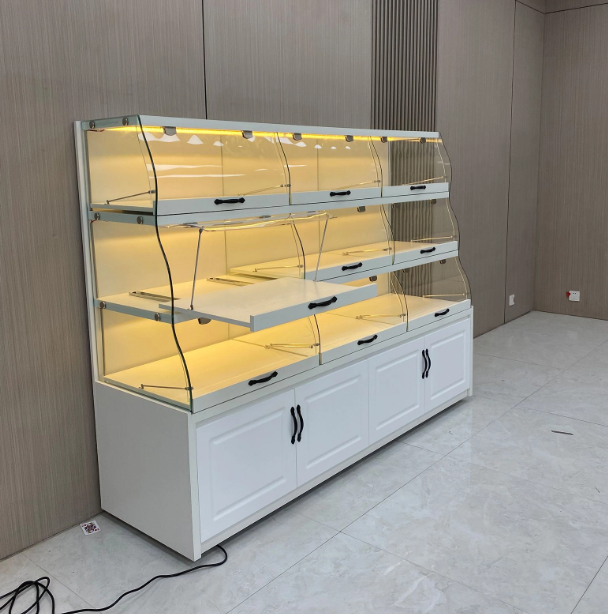
Bakery owners face a difficult merchandising dilemma every day. Open displays drive impulse purchases through irresistible aromas and visual appeal. Unrestricted airflow, however, accelerates staling rapidly. Stale product directly harms your brand perception and hurts daily profit margins. Commercial retail realities differ entirely from home kitchen storage. Bakery environments demand specialized operational solutions. You must balance strict health compliance, beautiful visual merchandising, and product longevity. We created this guide to help you navigate these daily store challenges. You will learn evidence-based operational protocols to protect your baked goods. We also provide hardware evaluation criteria for your retail fixtures. You can extend shelf life significantly without sacrificing your beautiful display aesthetics.
Moisture vs. Airflow: Unrestricted air leads to staling; completely sealed environments trap heat and cause mold. Micro-climates are the solution.
Temperature Rules: Never display uncooled, hot bread. Residual steam creates condensation, accelerating bacterial growth and ruining acrylic panels.
Strategic Shielding: Utilize localized covers (like vented glass cloches) or specific placement techniques (cut-side down) within the open unit.
Hardware Selection: Partnering with an experienced display cabinet manufacturer ensures proper material selection (e.g., UV-resistant acrylic, integrated crumb management) tailored to your specific product turnover rate.
Bread degradation happens through two primary vectors. These are moisture loss and trapped humidity. Moisture loss causes the bread to dry out and stale. The crust becomes impossibly hard, and the soft crumb turns crumbly. Conversely, trapped humidity creates a breeding ground for mold. If you seal artisan bread tightly at room temperature, it cannot breathe. The moisture migrating from the center gets trapped. This ruins the crisp crust and accelerates fungal growth. You must manage both threats simultaneously to maintain product quality.
Degradation Vector | Primary Cause | Result on Product | Prevention Strategy |
|---|---|---|---|
Moisture Loss | Unrestricted airflow and low ambient humidity | Hard crust, dry and crumbly interior | Implement localized shielding and physical barriers |
Trapped Humidity | Fully sealed environments without ventilation | Softened crust, rapid mold proliferation | Use vented domes and breathable materials |
Starch Retrogradation | Cold ambient storage temperatures | Rapid staling and tough texture | Store at room temperature or freeze completely |
Many operators mistakenly place unsold bread into refrigerated cases. Cold temperatures are highly detrimental to bread structure. This process is called starch retrogradation. Starch molecules in the flour crystallize rapidly in cold environments. This crystallization makes the bread hard and dense. It actually stales much faster in a refrigerator than at room temperature. You should always avoid chilling unpackaged bakery loaves. Cold storage fundamentally alters the cellular structure of the baked crumb.
Unpackaged artisan loaves face severe challenges on open shelving. Ambient store conditions fluctuate constantly throughout the day. HVAC systems create continuous drafts blowing across your pastries. These drafts act like dehydrators for your baked goods. Seasonal humidity changes also impact your daily merchandising strategy. A dry winter day requires different display tactics than a humid summer morning. You must adapt your storage methods to these shifting ambient environments.

Proper preparation begins long before items hit the sales floor. Establish a strict rule for your kitchen staff immediately. Loaves must reach ambient room temperature on wire cooling racks. Never place warm bread directly into your Bakery Display Cabinet. Warm bread releases residual steam as it cools. This steam condensates on shelving surfaces and creates moisture pools. These moisture pools accelerate bacterial growth drastically. They also fog up clear panels and ruin your presentation.
You should implement staggered display rollouts to preserve freshness. Do not place your entire daily inventory out at dawn. Advocate for batch-baking schedules whenever your operations allow it. Move small batches from the kitchen to the storefront periodically. This strategy minimizes the total time any single loaf spends exposed. Staggered merchandising guarantees customers always see and smell fresh product. It significantly reduces the ambient air exposure for your afternoon inventory.
Physical placement greatly influences moisture retention for halved loaves. Sliced artisan breads require careful handling on the shelf. Implement the "cut-side down" method for these specific items. Place the exposed crumb directly against a food-safe surface. Wooden cutting boards or thick acrylic surfaces work perfectly. This protects the vulnerable soft interior from dry store air. Meanwhile, the durable crust remains fully visible to your customers. It acts as a natural protective barrier.
Slice the artisan loaf cleanly using a serrated bakery knife.
Ensure the cutting board or display surface is completely dry.
Place the exposed interior flat against the protective surface.
Leave the crust exposed upward to highlight the bake quality.
Cover loosely with a clean linen cloth if turnover is slow.
You can create specialized micro-climates using simple tabletop accessories. We recommend using medium-sized glass domes for high-margin artisan loaves. These glass cloches must feature subtle ventilation holes at the base. Ventilation maintains the delicate crust integrity throughout the day. Simultaneously, the dome prevents the soft crumb from drying out entirely. This localized cover protects premium items without hiding them away. Customers can still appreciate the visual details of your craftsmanship.
Grab-and-go sections require a different approach to micro-climates. You must evaluate various wrapping materials based on sales velocity. Each material offers distinct advantages and specific timeframes for freshness.
Linen Bags: Excellent for items with a one-day turnover. They allow maximum breathability but do not prevent long-term drying.
Paper Bags: The industry standard for short-term retail. They offer a maximum shelf life of one to two days.
Beeswax-Lined Wraps: Ideal for extending microbial protection. They provide an aesthetic appeal while locking in essential moisture naturally.
Cabinet zoning prevents textural cross-contamination among your distinct products. Group high-moisture items together in one specific display zone. Keep these away from your dry-crust items like baguettes. If you mix them, the dry crusts will absorb ambient moisture. Baguettes will become chewy and soft rather than crisp. Zoning maintains the intended eating experience for every single pastry. It also streamlines your staff's restocking process during busy rushes.
Standard shelving eventually reaches critical breaking points in commercial spaces. You will notice excessive product loss due to rapid staling. Poor integrated lighting fails to highlight your intricate pastry details. Cheap shelving often contains deep grooves that trap old crumbs permanently. These trapped crumbs attract pests and create chronic hygiene issues. If you experience these daily frustrations, you require a hardware upgrade.
You must choose between acrylic and glass for your fixtures. Acrylic is significantly lighter and less prone to shattering. However, it requires specific daily care to prevent ugly scratching. Inferior acrylic will warp under heat or fog up easily. Glass offers superior scratch resistance and clarity over time. It is heavier and often more expensive to install initially. Weigh these material differences against your team's cleaning habits carefully.
Design architecture dictates how air moves across your baked goods. Look for fixtures featuring strategically angled shelving systems. Angled shelves improve customer visibility while directing drafts over the products. You should also consider ambient temperature controls for specific zones. Upgrading to a Custom Display Cabinet solves many unique spatial challenges. Custom solutions allow you to control airflow channels precisely. You can dictate the exact depth and pitch of every shelf.
Choosing the right hardware partner impacts your daily profitability directly. Highlight the value of working with a specialized Display Cabinet Manufacturer today. Experienced fabricators understand the nuanced physics of bakery merchandising. They will design a unit featuring modular sneeze guards. They integrate seamless crumb catchers for rapid evening cleanup. They also utilize UV-filtering materials to prevent sun-induced product degradation. Proper vendor selection ensures your fixture works as hard as you do.
Hygiene directly impacts the perceived freshness of your entire store. Breadcrumbs left in tracks and corners attract unwanted pests quickly. They also harbor bacteria that can spread to fresh inventory. You must outline a strict daily shutdown routine for your team. Instruct staff to use soft pastry brushes to sweep corners. Compressed air works wonders for clearing out tight mechanical sliding tracks. Never leave yesterday's crumbs sitting in today's pristine display unit.
Improper cleaning techniques will destroy expensive acrylic panels very quickly. You must explicitly warn staff against using ammonia-based glass cleaners. Ammonia causes permanent micro-abrasions and irreversible clouding on acrylic surfaces. It strips away the material's natural clarity over time. We highly recommend using only mild soapy water for daily wipe-downs. Employ micro-fiber cloths and practice gentle "blot drying" techniques. Blotting prevents streaks and keeps your display windows crystal clear.
The physical location of your display dictates its internal temperature. You must advise your design team regarding natural store lighting. Position the cabinet far away from direct, harsh sunlight. Direct sun causes localized overheating inside open or closed fixtures. This trapped heat accelerates staling and melts delicate icings rapidly. UV damage also degrades the physical display materials over several years. Strategic placement acts as a passive shield for your daily inventory.
Keeping bread fresh in an open format requires dedication and strategy. It demands a careful synthesis of strict operational discipline and proper physical infrastructure. You must master cooling periods, rotation schedules, and material choices. We encourage operators to audit their current product waste logs carefully. Identify which items stale fastest and adjust your micro-climates accordingly. Finally, prompt your management team to consult with a custom display fabricator. Assess whether your current setup is truly optimizing your product's shelf life today.
A: No. Refrigeration accelerates starch retrogradation, drying the bread out faster than room temperature. For long-term preservation of unsold stock, slicing and freezing is the only viable method.
A: Generally 1 to 3 days depending on ambient humidity and crust thickness. Unwrapped bread will begin to noticeably dry within 12-24 hours unless localized protection (like a cloche) is applied.
A: This usually occurs when bread is loaded while still warm. The evaporating moisture creates condensation, which can lead to mold and permanent clouding of the cabinet walls. Always cool products fully first.


